Lecture 3 Climate Fundamentals and Impacts
February 9, 2026
A five points “climate haiku”
- It’s warming
- It’s us
- We’re sure
- It’s bad
- We can fix it
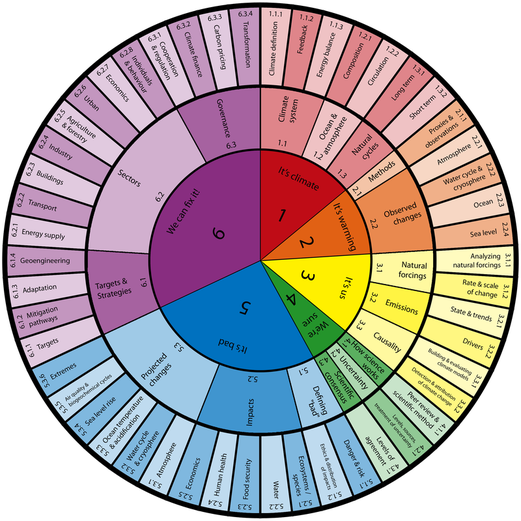
Source: Kimberly A Nicholas
Five stages of climate denial
- Stage 1: Deny the Problem Exists
- Stage 2: Deny We’re the Cause
- Stage 2b: Consensus Denial
- Stage 3: Deny It’s a Problem
- Stage 4: Deny We can Solve It
- Stage 5: It’s too Late
Source: Dana Nuccitelli, The Guardian, The 5 stages of climate denial are on display ahead of the IPCC report
Climate and Weather
Climate is the average weather conditions of a region over a long period of time, usually at least 30 years. Weather refers to short-term atmospheric conditions. Climate change refers to long-term changes.
Weather refers to short-term atmospheric conditions. Climate change refers to long-term changes.
Source: National Geographic
GHG effect
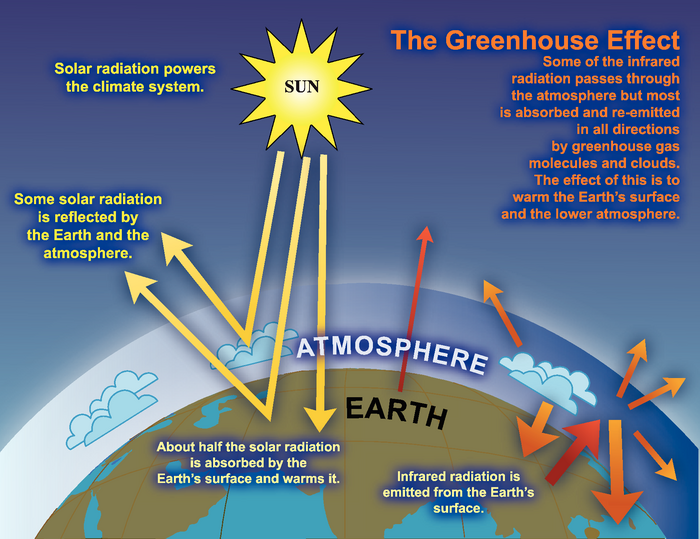
Source: IPCC
Greenhouse Gases(GHG)
| GHG | GWP-100 | Lifetime (Years) |
|---|---|---|
| Carbon Dioxide (CO2) | 1 | hundreds |
| Methane (CH4) | 29.8±11 | 11.8 ± 1.8 |
| Nitrous Oxide (N2O) | 273 ± 130 | 109 ± 10 |
| Hydrofluorocarbon-32 (HFC-32) | 771 ± 292 | 5.4 ± 1.1 |
Other GHG:
- Sulphur hexafluoride (SF6)
- PFC-14 (CF4)
- Water vapour
Source: Table 7.15 in the IPCC AR6 WG-I Report.
From emissions to warming
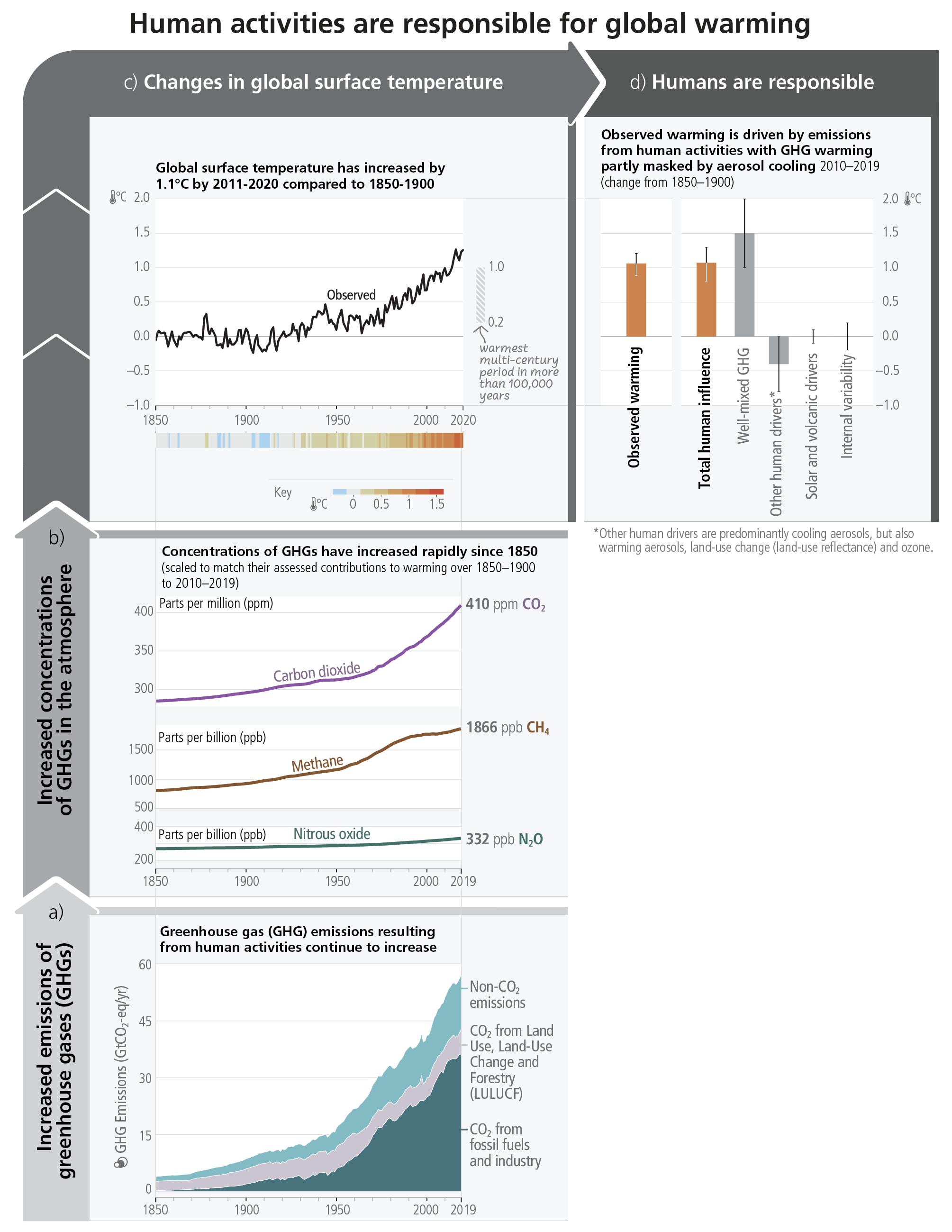
Source: IPCC AR6
Warming since measurement
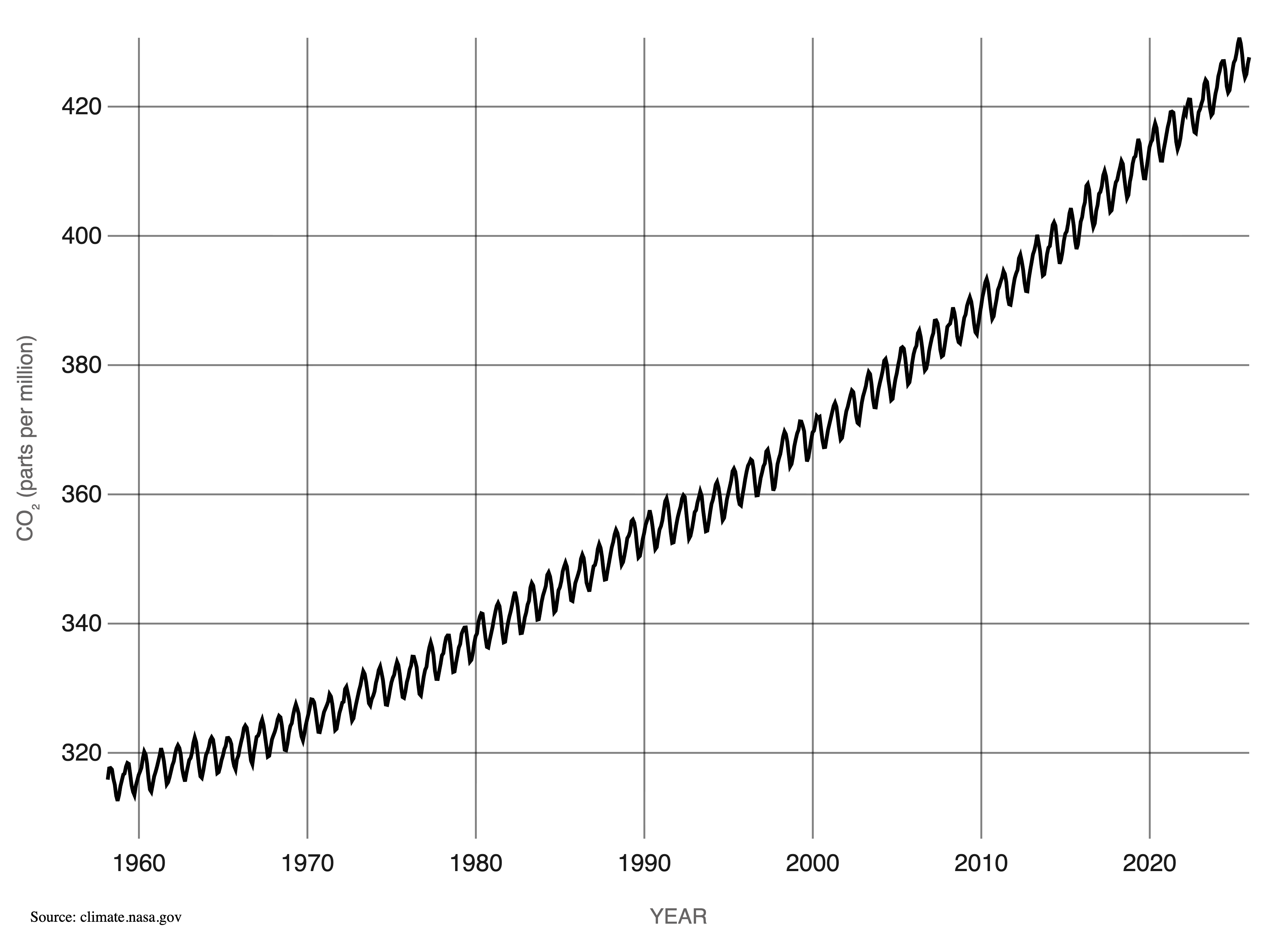
Source: NASA
Warming in context of geological history
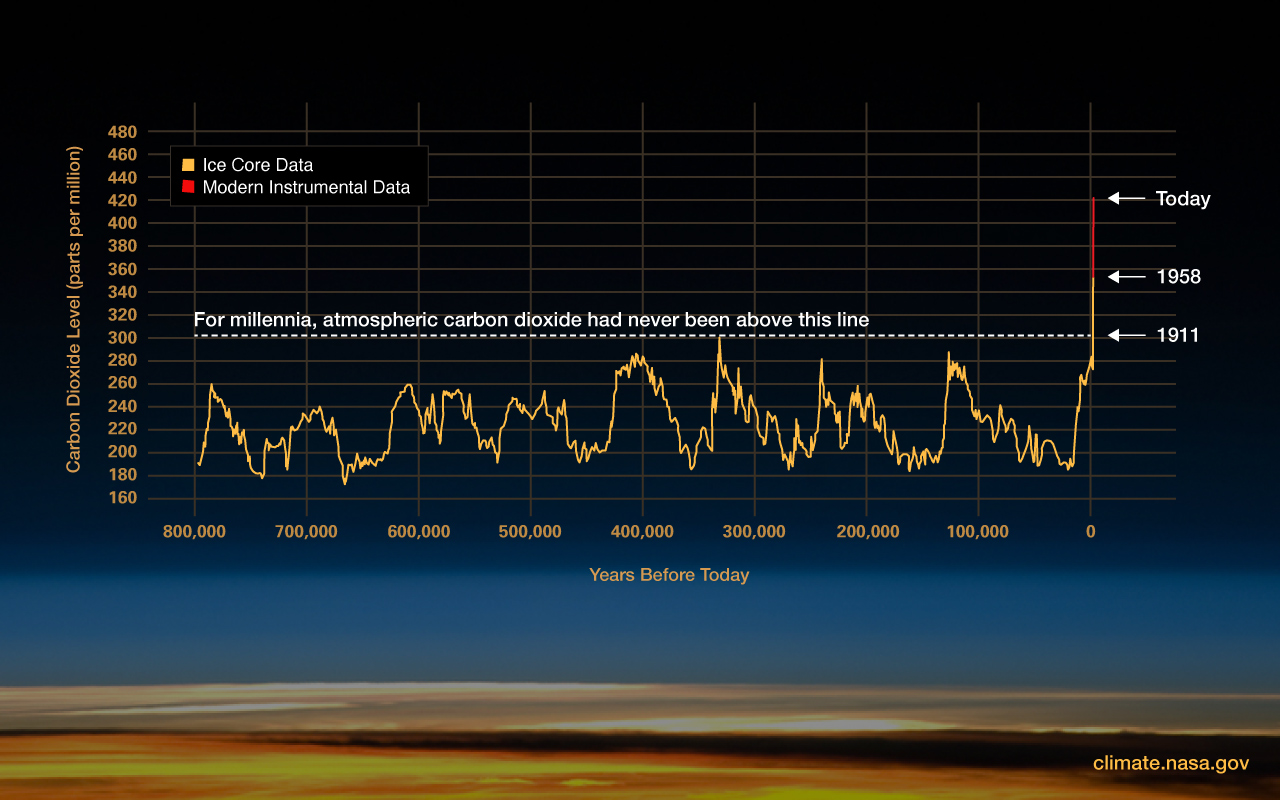
Source: NASA
Warmer and Warmer
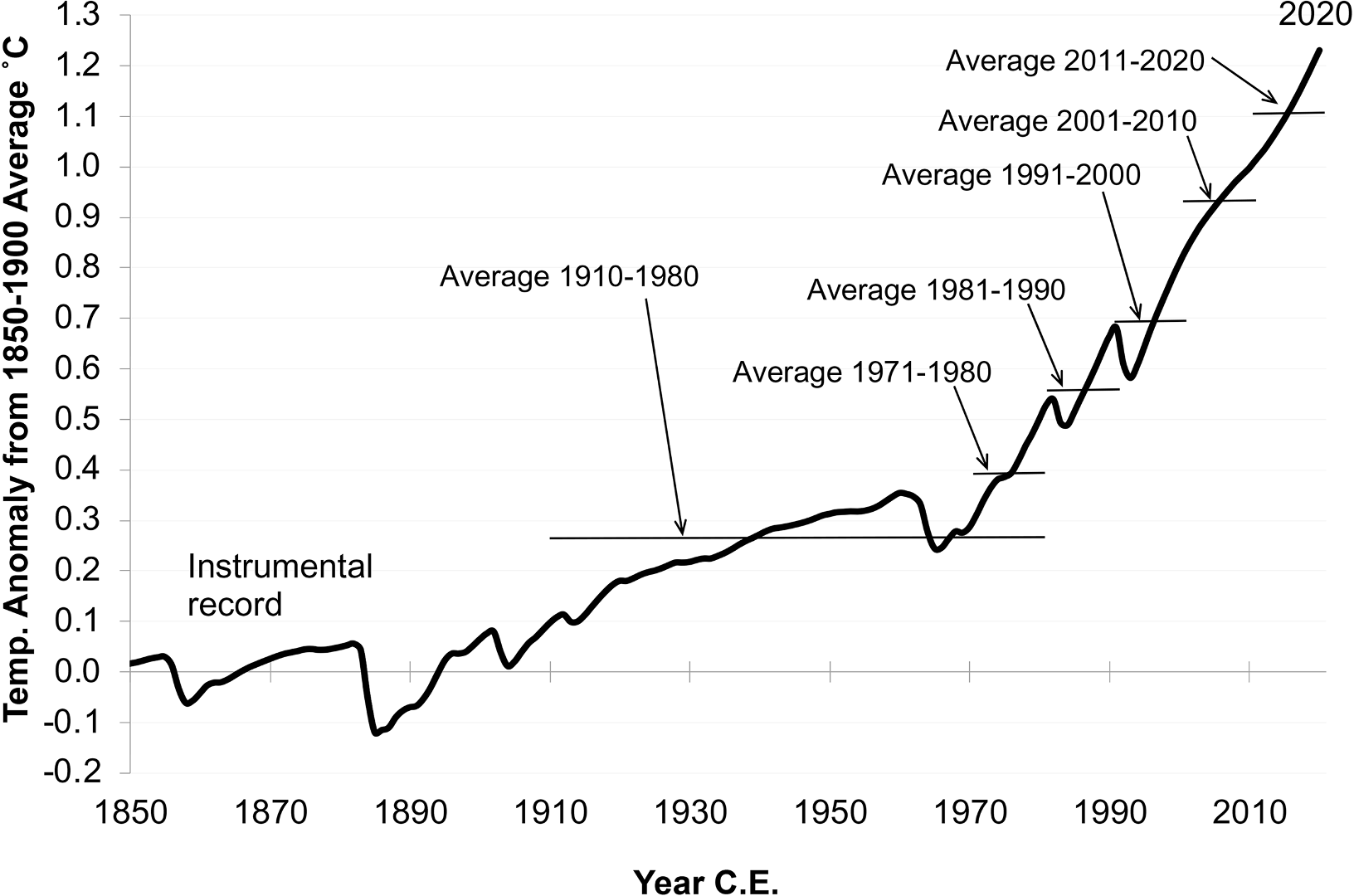
Source: Koomey and Monroe (2022)
Climate spireal
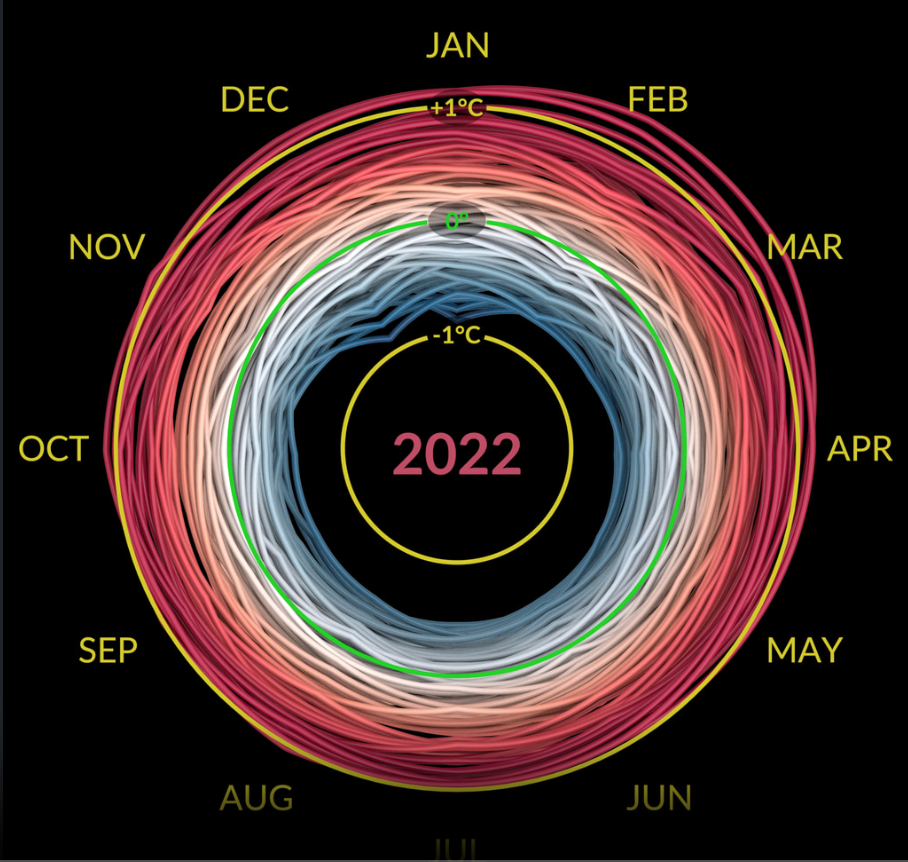
Source: NASA Scientific Visulization Studio
Temprature anomaly distribution
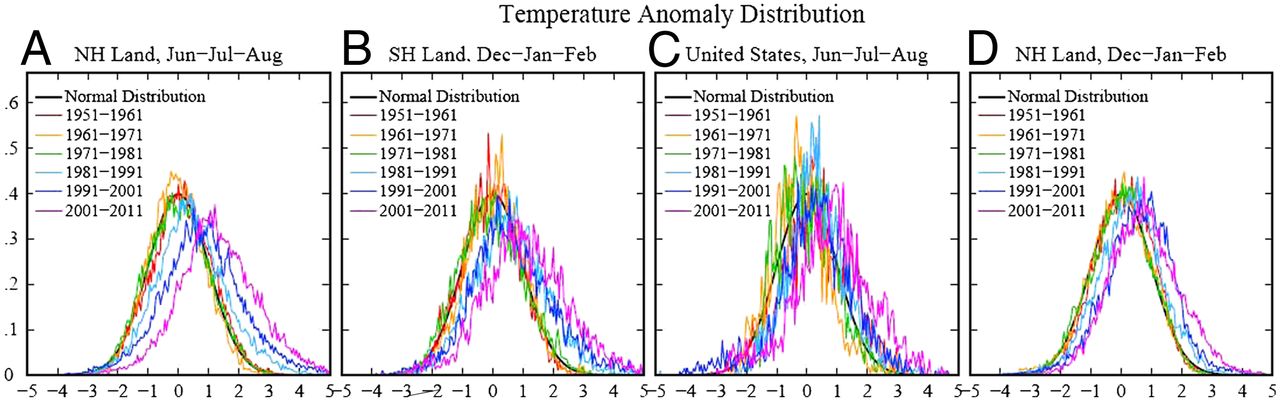
Source: Hansen, Sato, and Ruedy (2012)
Human vs nature
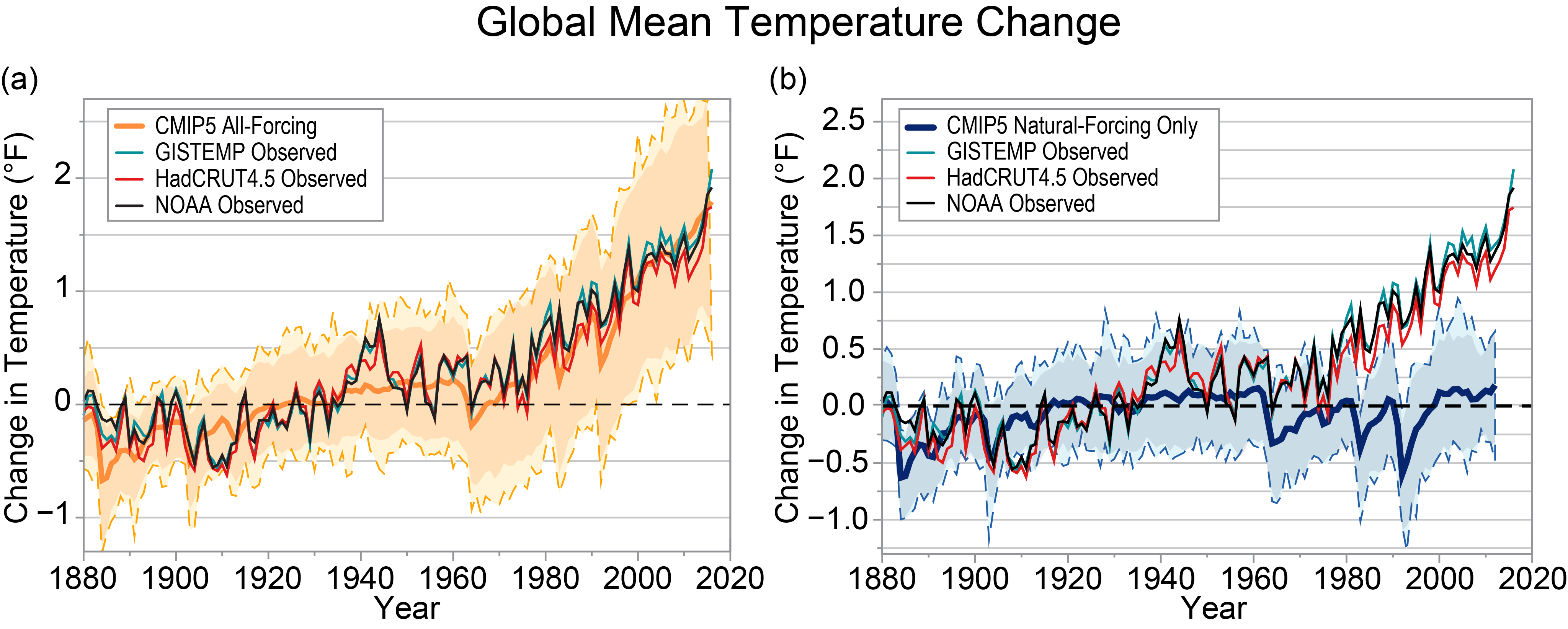
Source: Chapter 3 of the Fourth National Climate Assessment (NCA4)
Human component is the major driver of warming
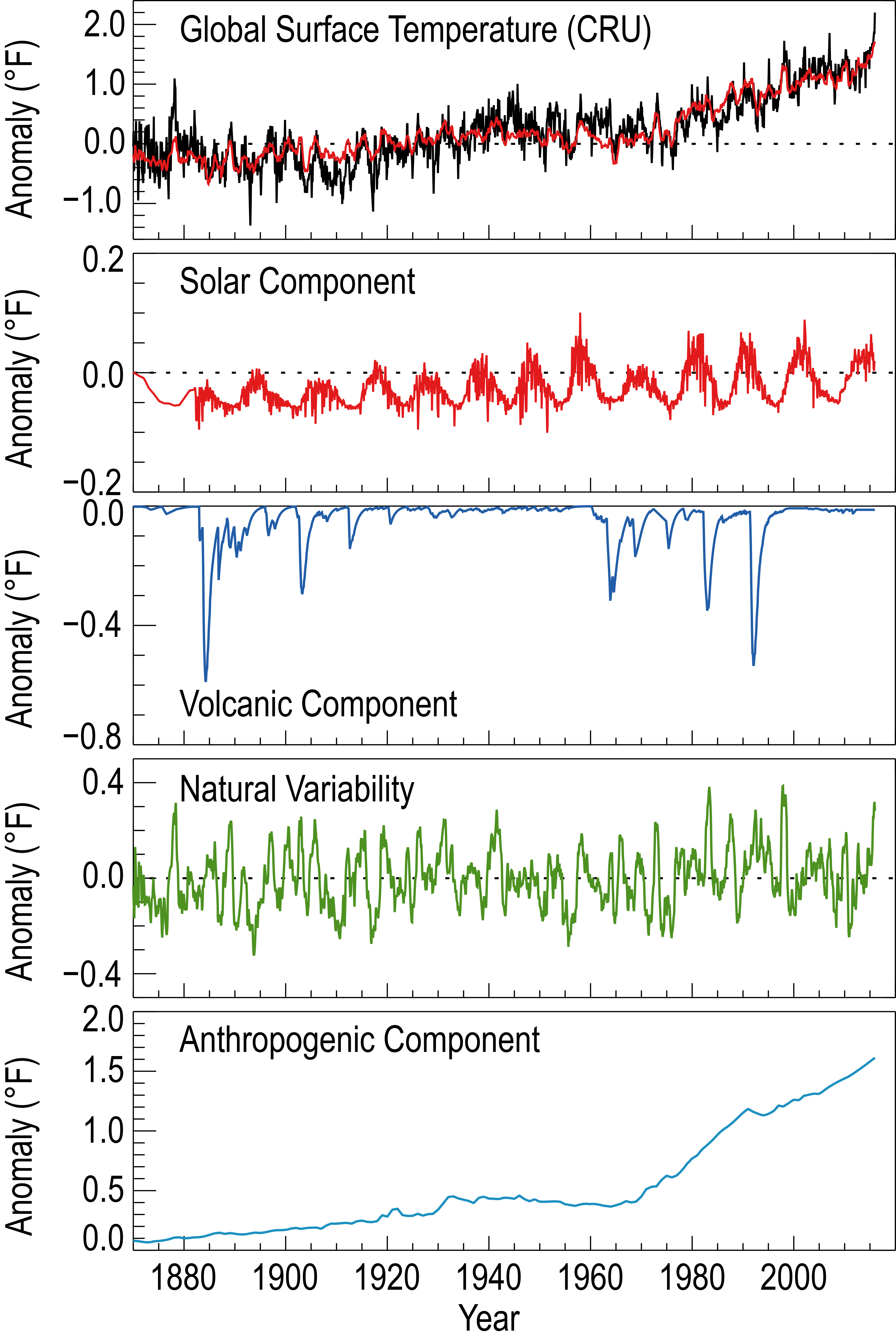
Source: Chapter 3 of the Fourth National Climate Assessment (NCA4)
Scientific understanding: climate systems
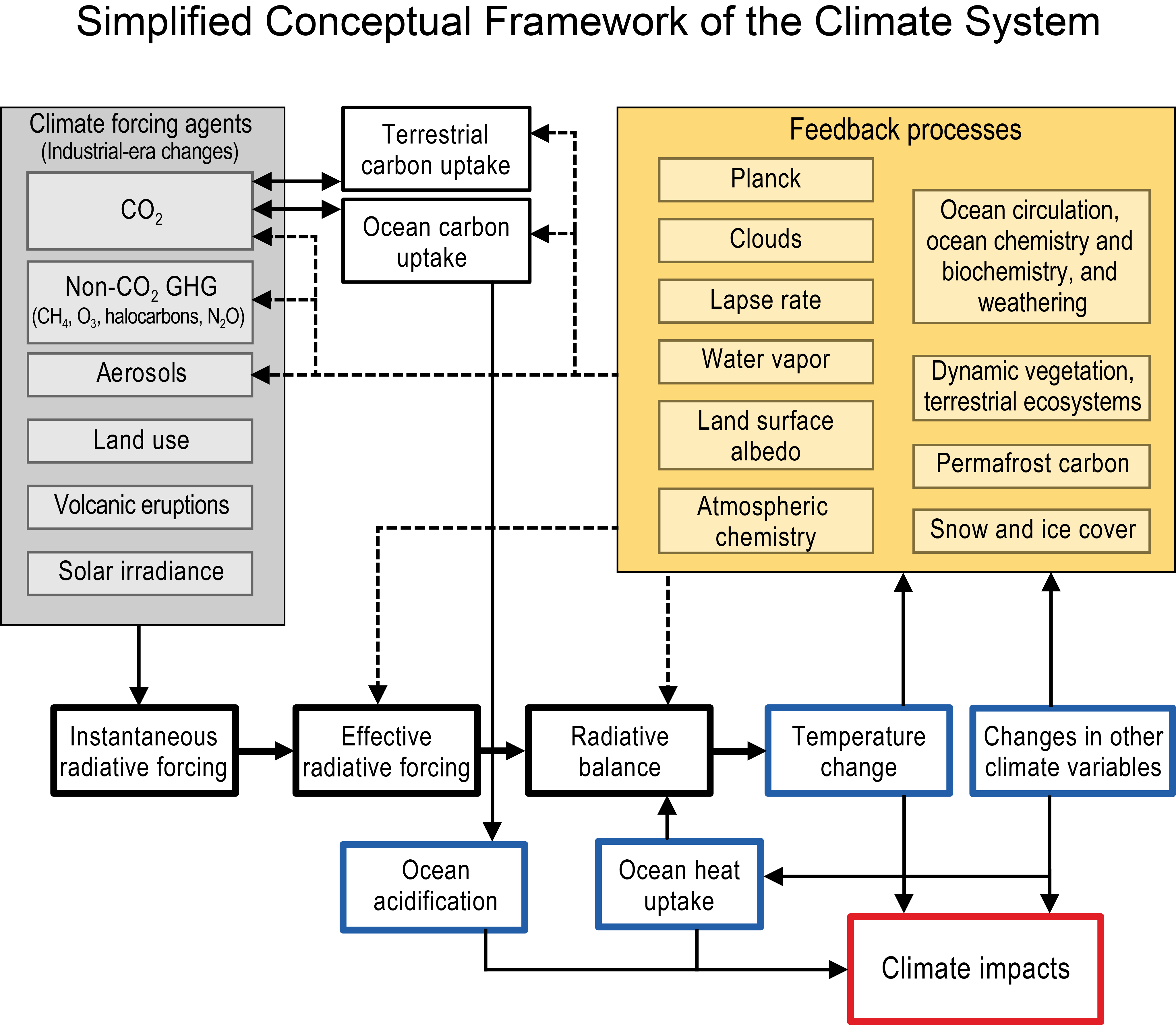
Source: Figure 2.2 of the Fourth National Climate Assessment (NCA4)
Scientific community and process
- What is the IPCC?
- How does the IPCC select its authors?
- What literature does the IPCC assess?
- How does the IPCC review process work?
- How does the IPCC approve reports?
- How does the IPCC deal with alleged errors?
- What is an Expert Reviewer of IPCC?
Source: Learn more about IPCC
Adverse impacts of climate change
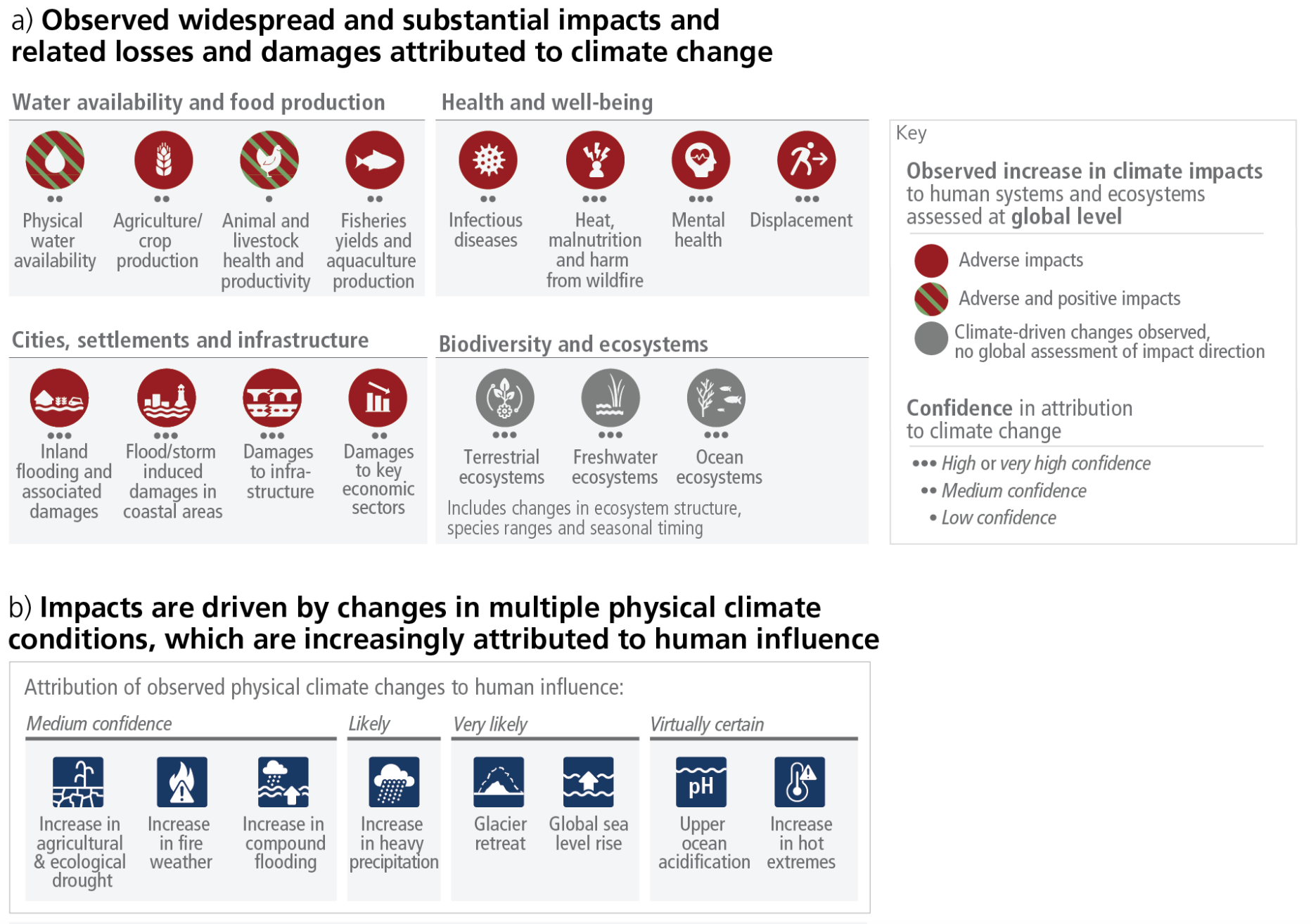
Source: IPCC AR6 Synthesis Repoort Figure 1
The impacts are global
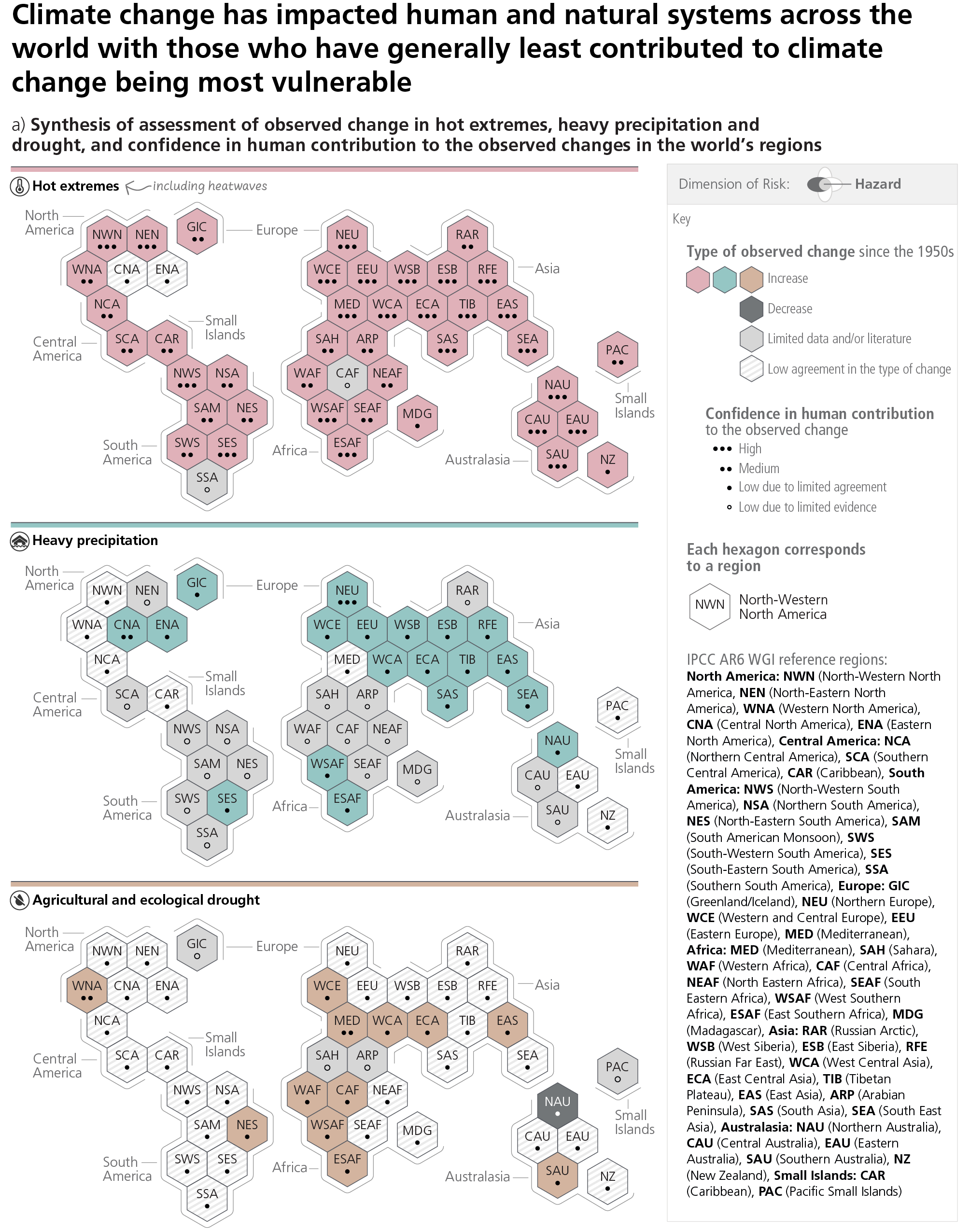
Source: IPCC AR6 Synthesis Repoort Figure 2.3.1
Vulnerable population suffers more
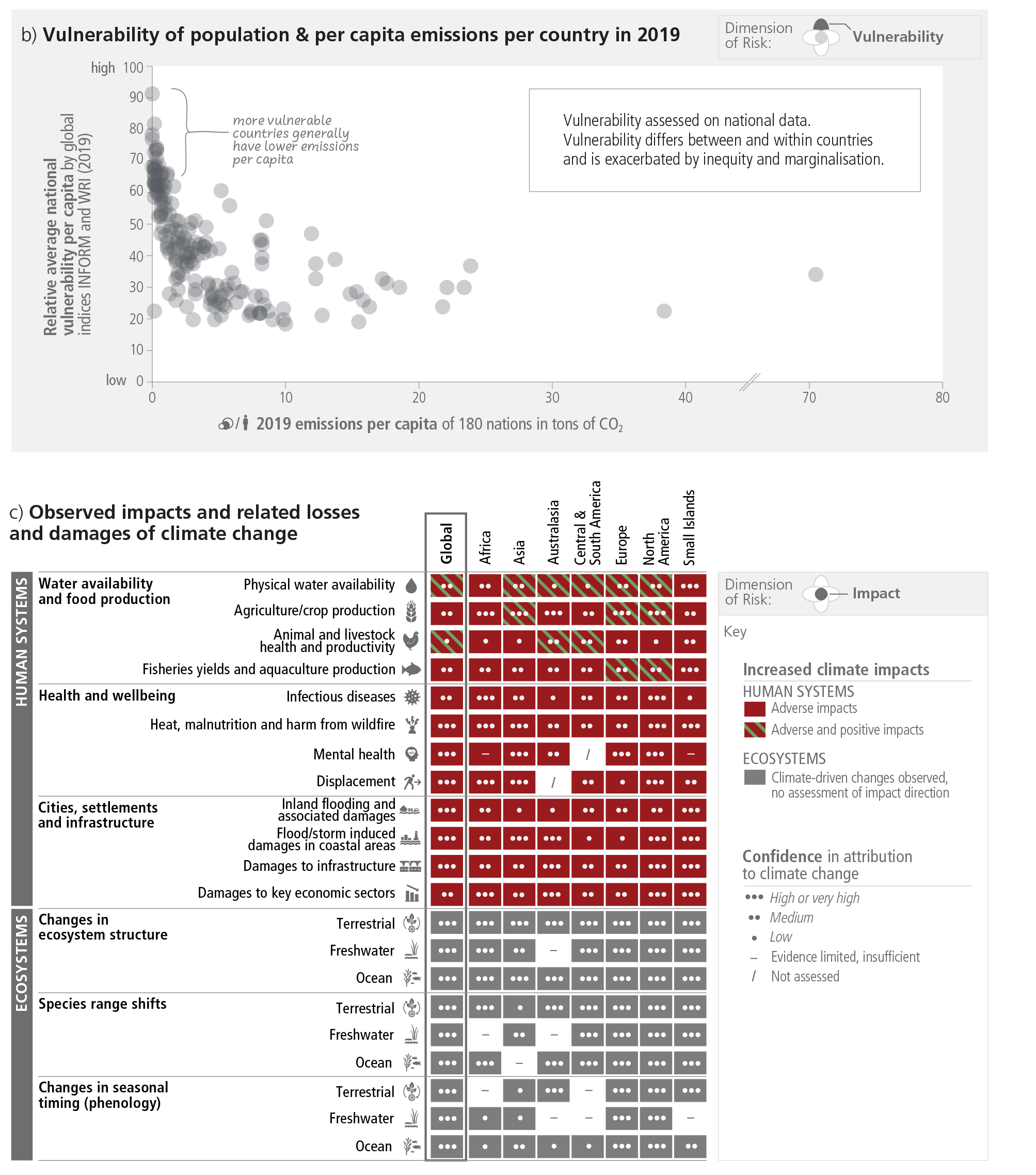
Source: IPCC AR6 Synthesis Repoort Figure 2.3.2
Conventional focues
- Ice melting
- Sea level rising
- Extreme weathers
- Floods
- Droughts
Damages to include
- agriculture
- mortality
- energy
- low-risk labor
- high-risk labor
- coastal damages
- property crime
- violent crime
What other damages to include?
Social cost of carbon
- Marginal cost of carbon
- Cost included:
- Net agricultural productivity
- Human health
- Property damage
- Energy system costs
- Net agricultural productivity
- Cost not included:
- Unknown impact: physical, ecological, economic
- Unknown cost: information
- Unknown impact: physical, ecological, economic
U.S. southern states suffer more
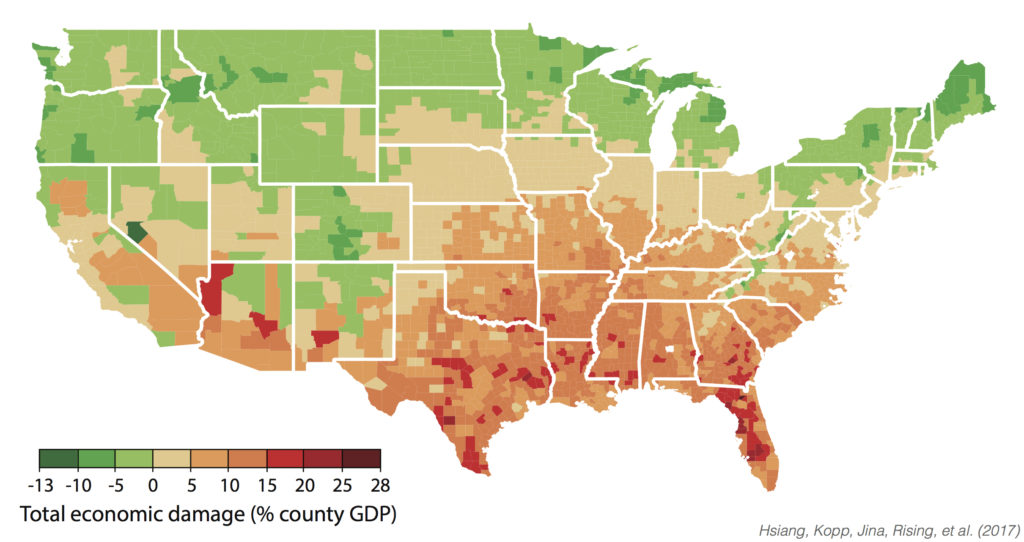
Source: S. Hsiang et al. (2017)
The poor will get damages more
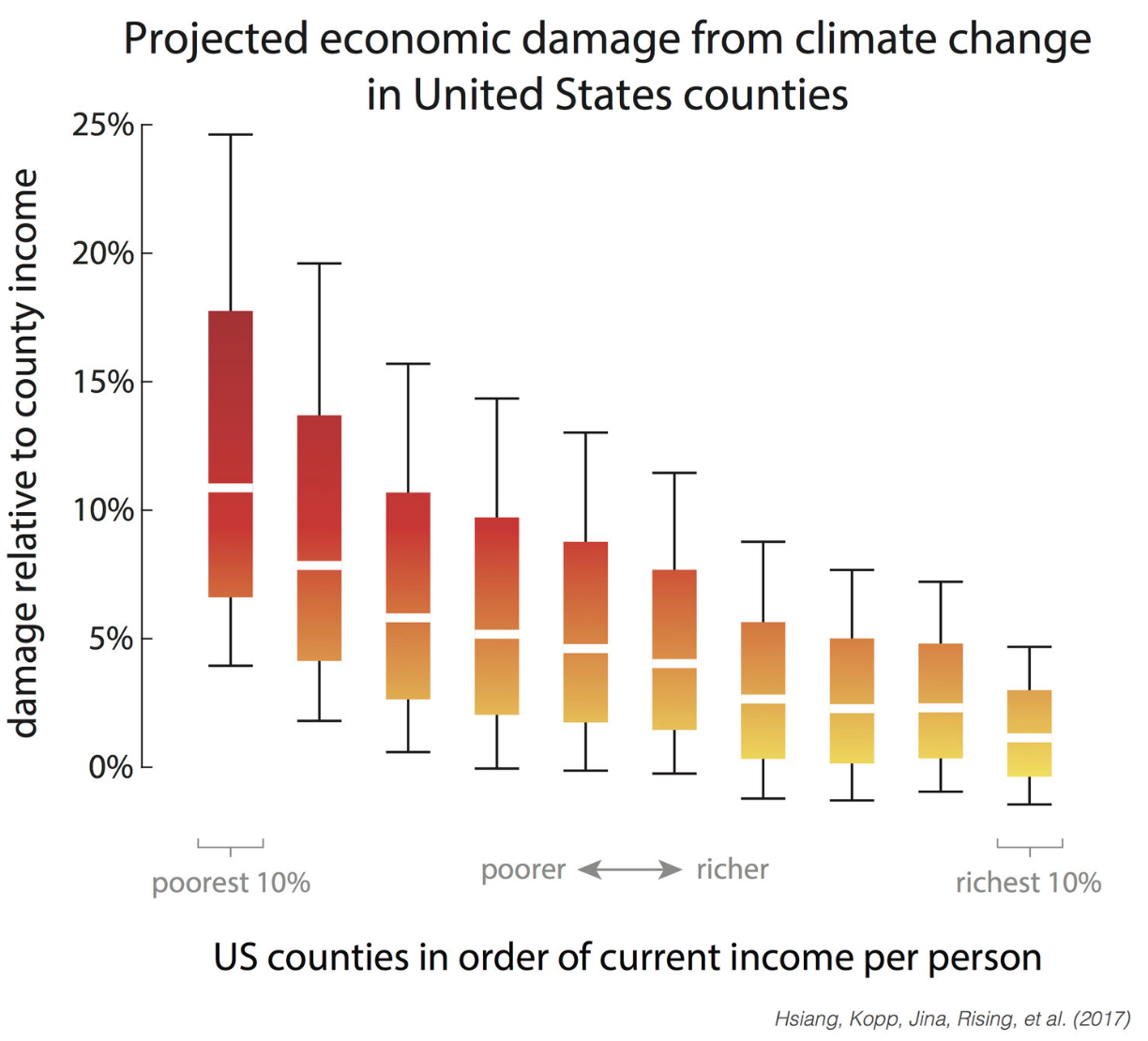
Source: S. Hsiang et al. (2017)
Climate damage function
\(Economic\ Damage=f(\Delta temperature)\)
- It could be negative or positive
- Integrated Assessment Models/Economic models
- DICE/RICE
- FUND
- PAGE
Climate change and conflicts
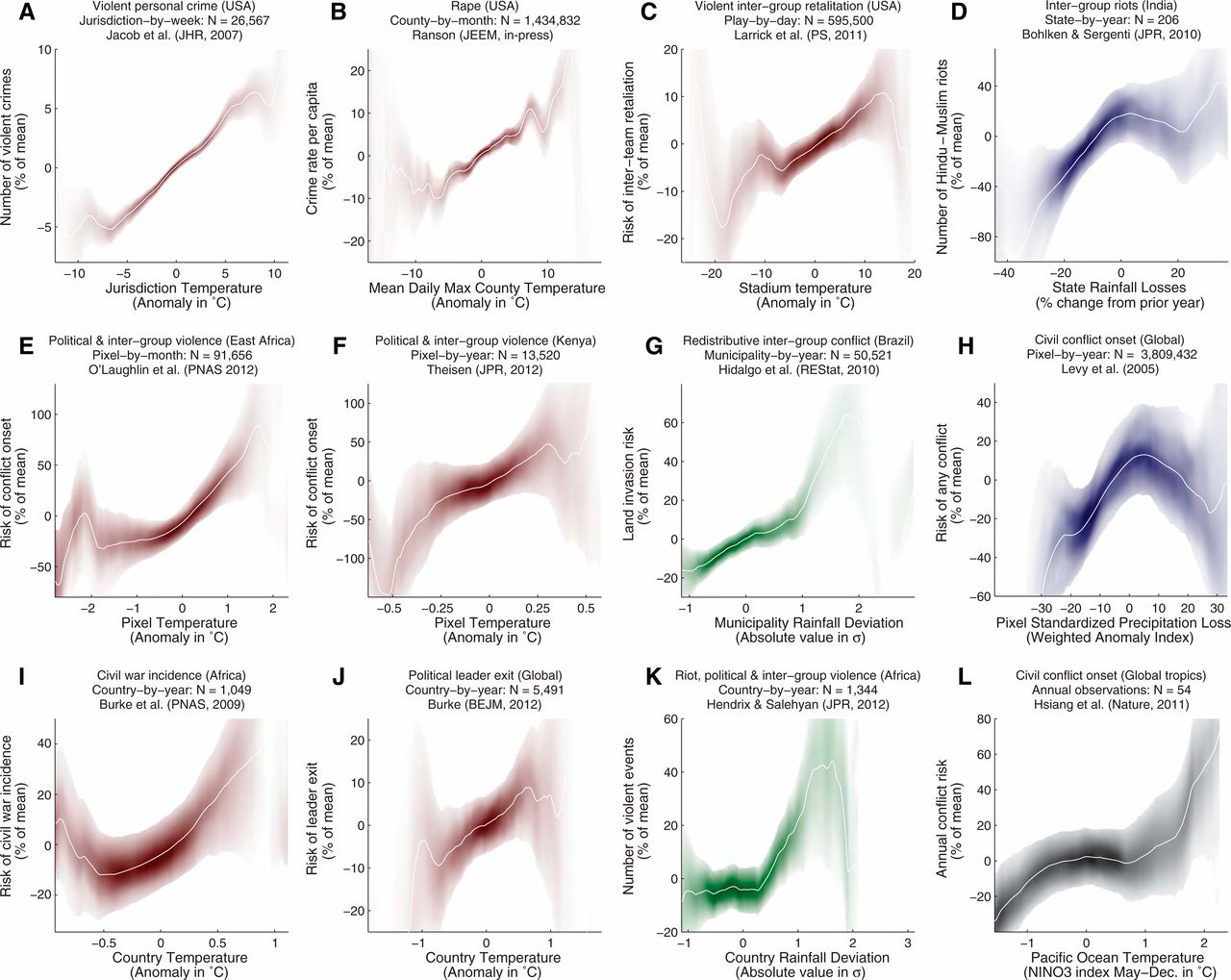
Read more: S. M. Hsiang, Burke, and Miguel (2013)
Climate change affects energy system
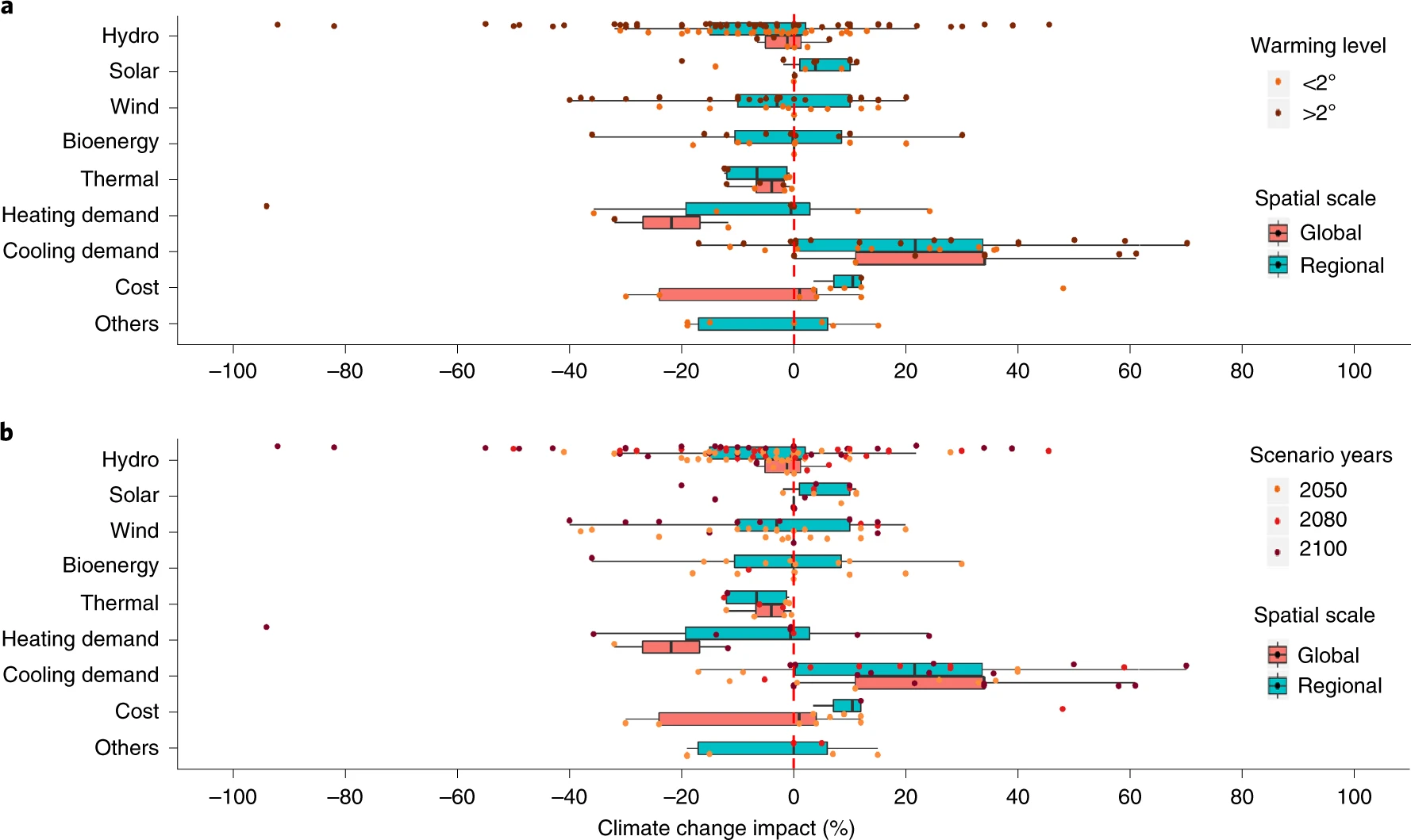
Source: Yalew et al. (2020)
Climate impact to renewable supply-demand match
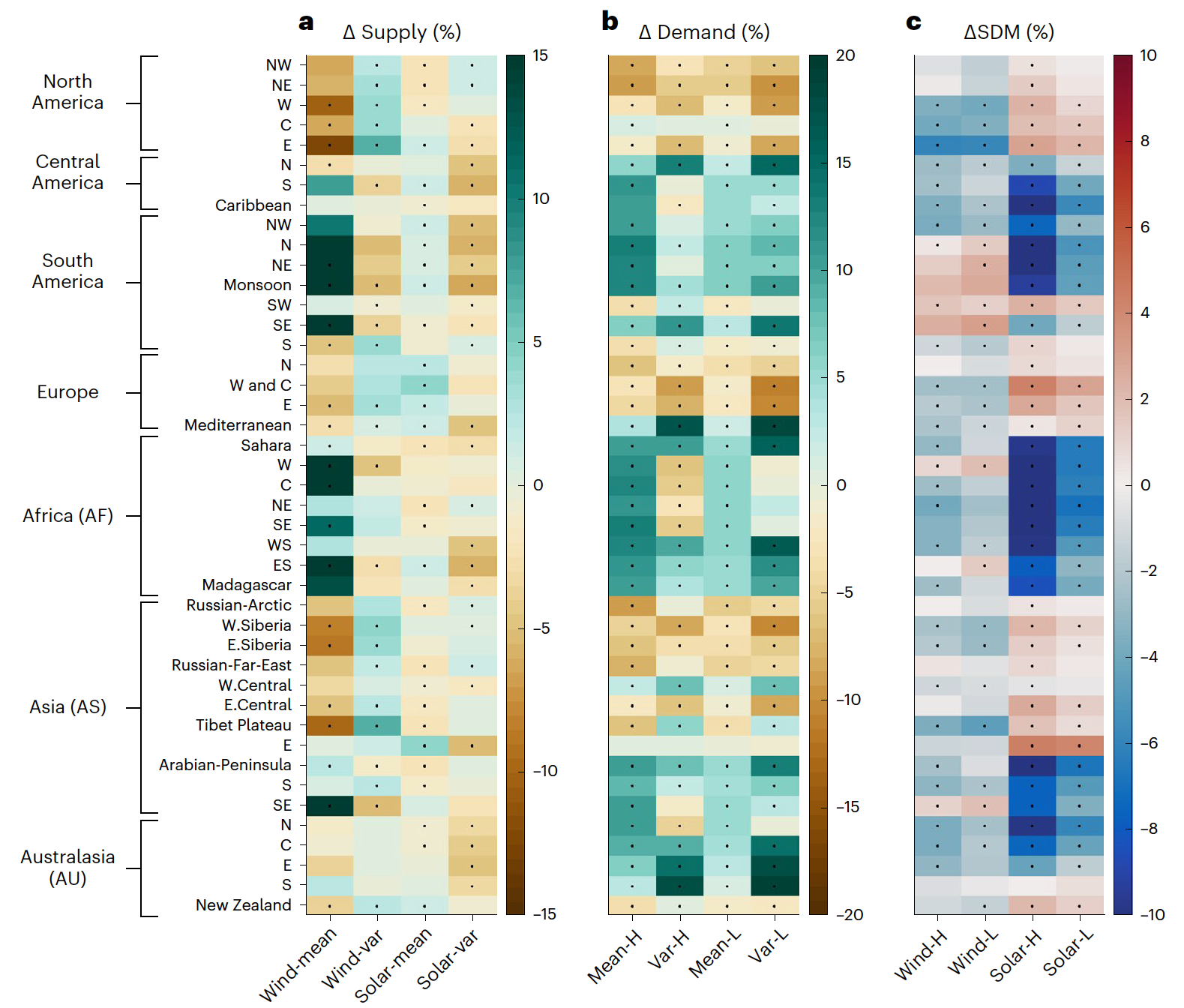
Source: Liu et al. (2023)
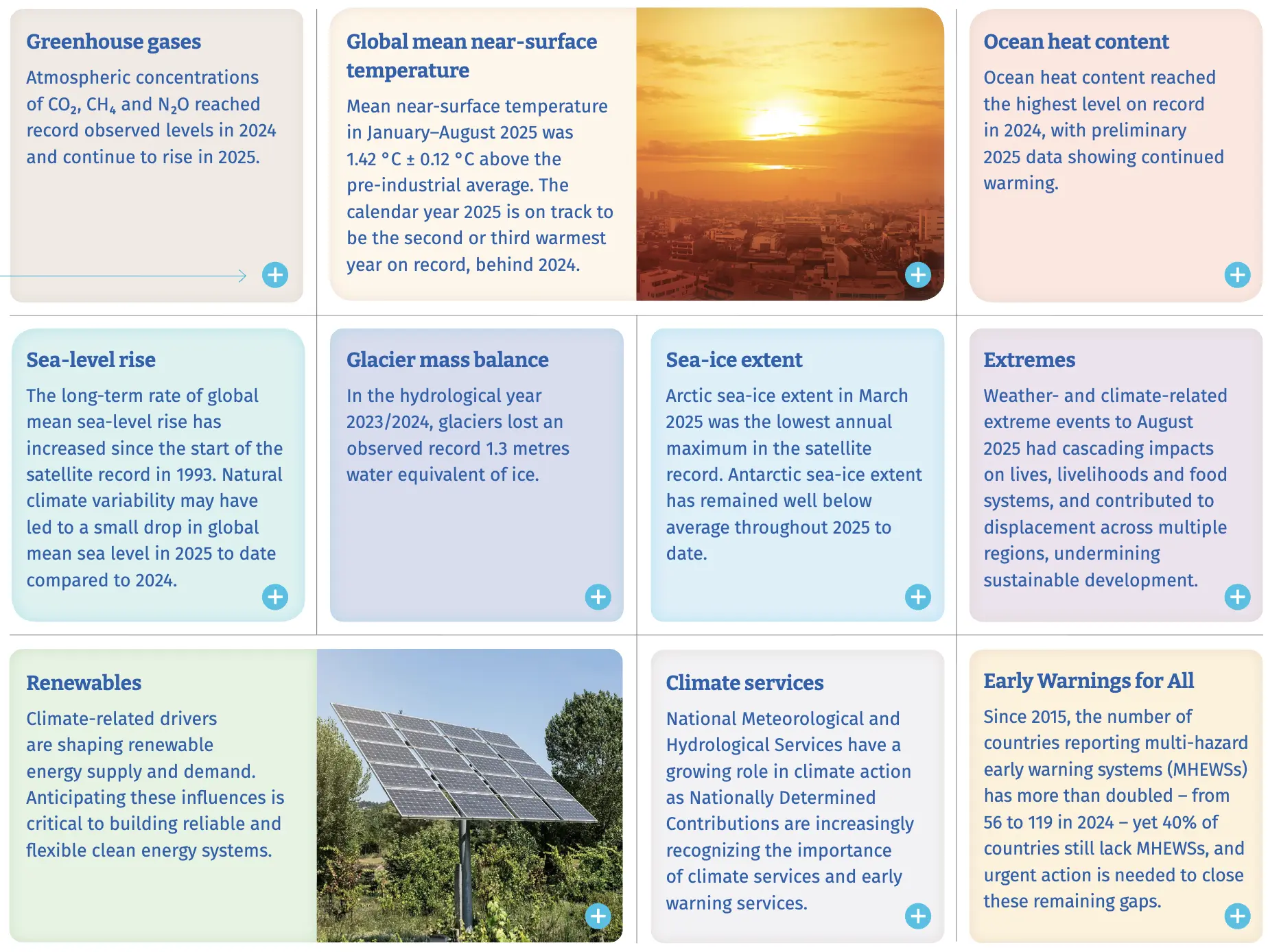
State of the Climate 2025
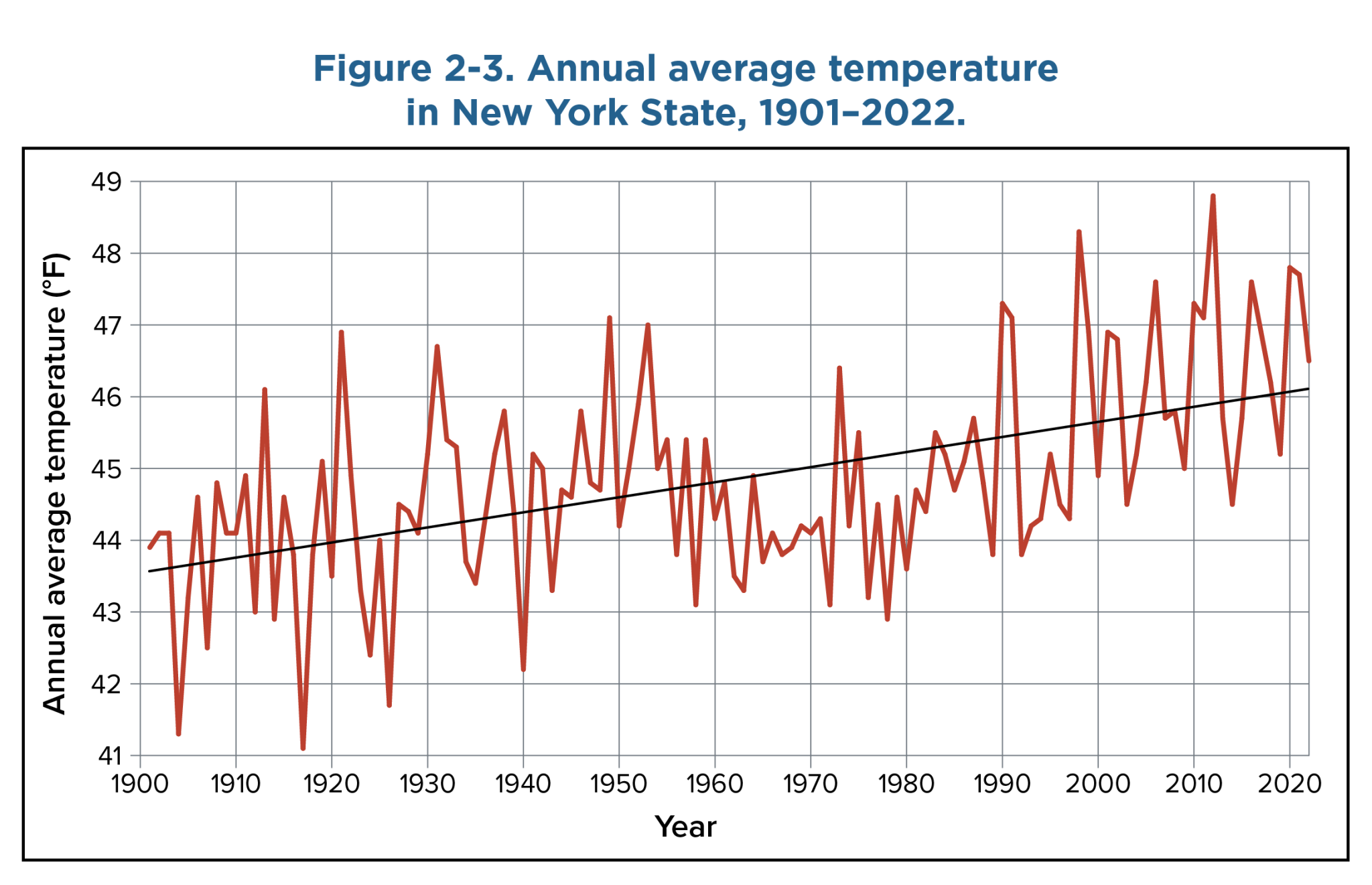
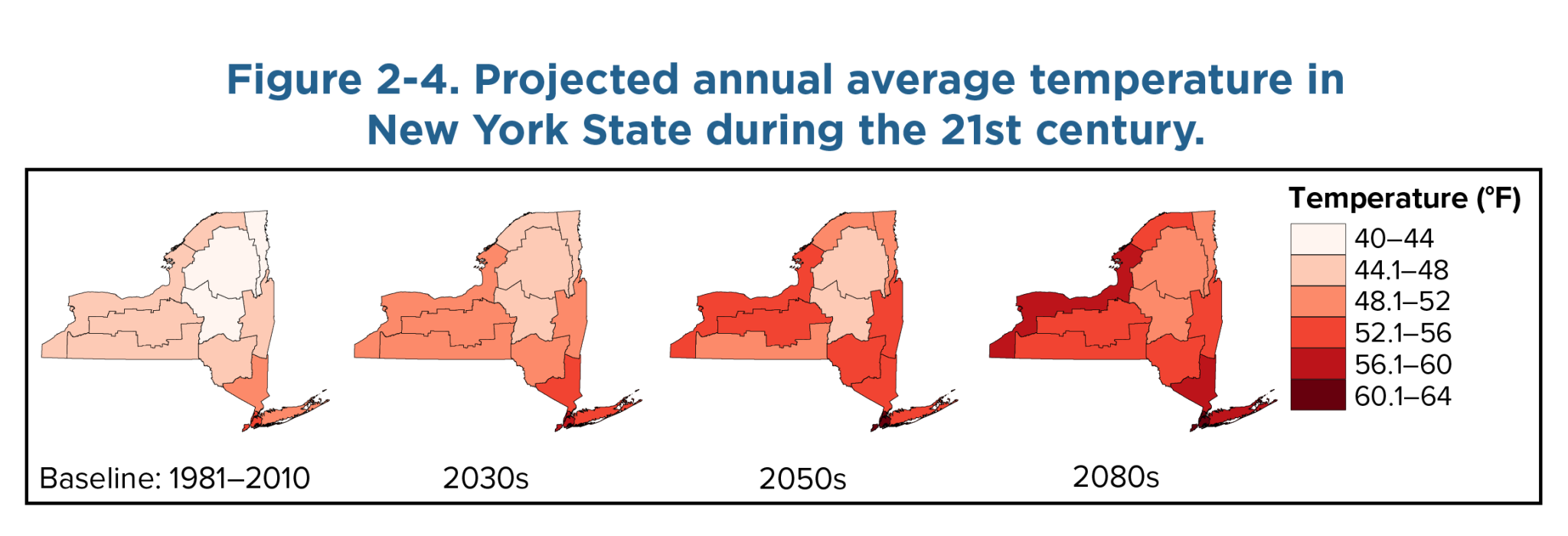
NYS climate impacts assessment
Source: New York State Climate Impacts Assessment
NYS assessment summary findings
- Climate change is affecting New York State now and is projected to continue to change and affect every region of the state.
- Even under a lower-emissions scenario, climate change impacts across New York State will be substantial.
- The frequency and intensity of extreme events such as heavy rainstorms, seasonal droughts, and heat waves are projected to increase.
- Sea level along New York State’s coastline has risen almost 1 foot in the past century and is projected to increase by another 1 to 2 feet by midcentury.
- Climate hazards often do not occur in isolation, and impacts can be compounded when multiple events happen near each other in time or space.
- New York State residents and communities that are marginalized or suffer from legacies of displacement or discrimination are more vulnerable to climate impacts.
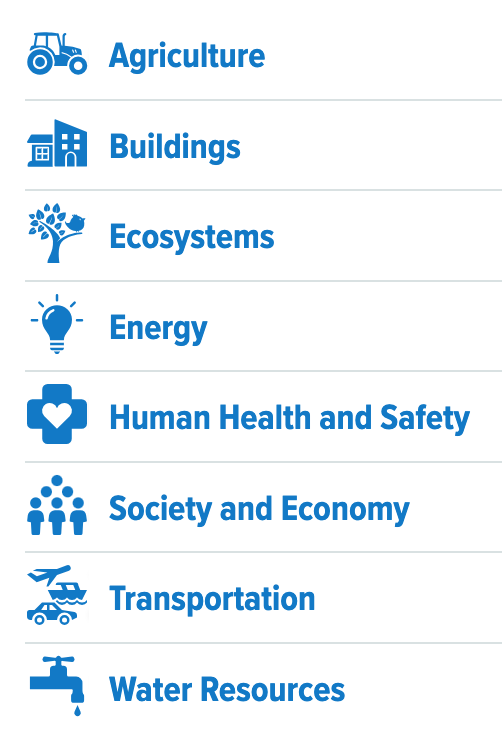
- Climate change will introduce new risks and opportunities into nearly every dimension of New York State’s economy.
- Climate change poses escalating health and safety risks for the people of New York State, including risks to mental health.
- Infrastructure provides vital services across New York State but is vulnerable to climate-related impacts.
- Every community and every sector in New York State has the potential to contribute to innovative climate solutions that reduce vulnerabilities, foster resilience, and enhance equity.
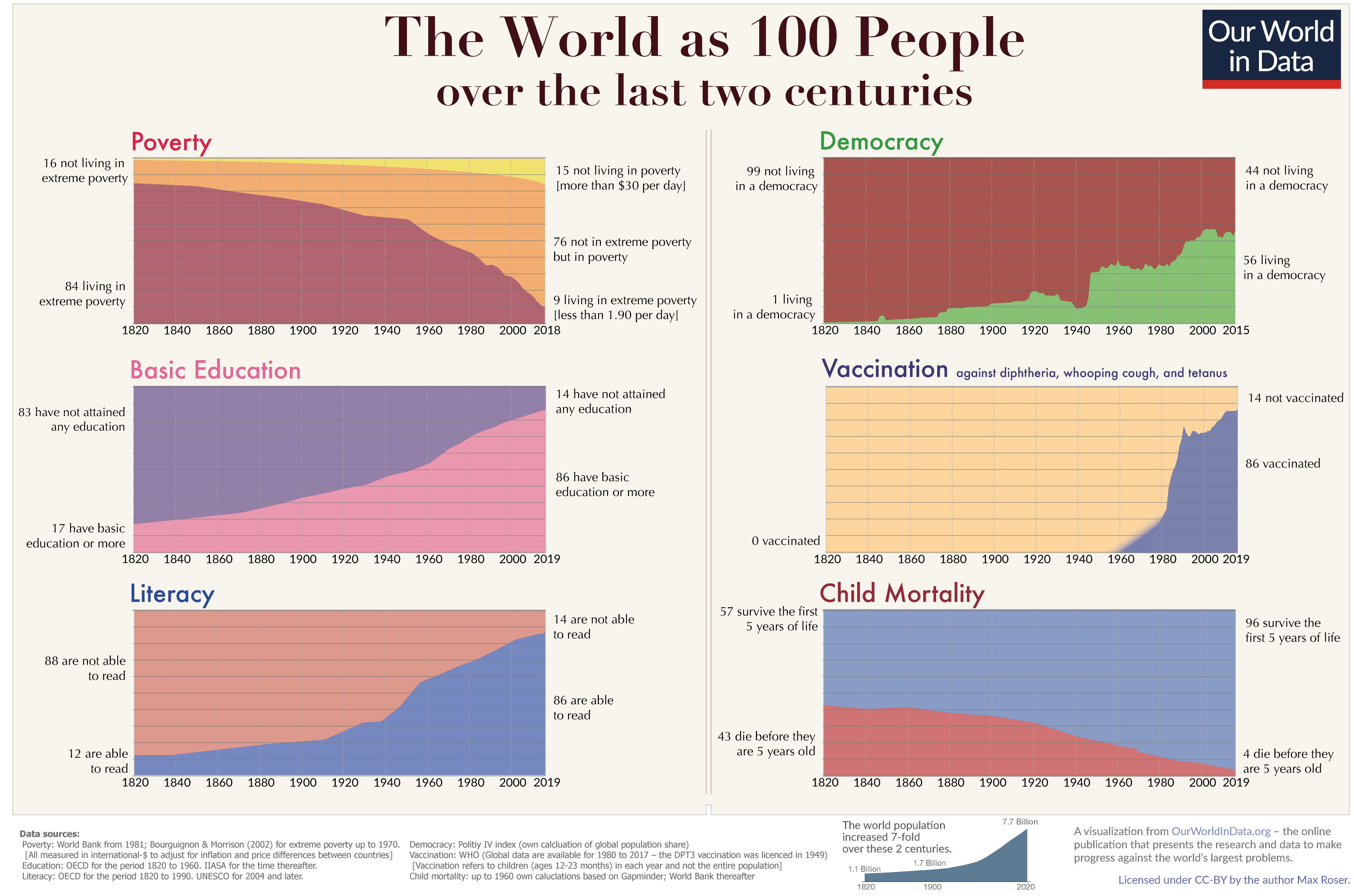
Grand challenges, huge progress, and grand opportunities
Source: Our World in Data
Social economic impacts
Source: Carleton and Hsiang (2016)