Lecture 10 Energy Efficiency, Behavior, and Sustainable Consumption
April 13, 2026
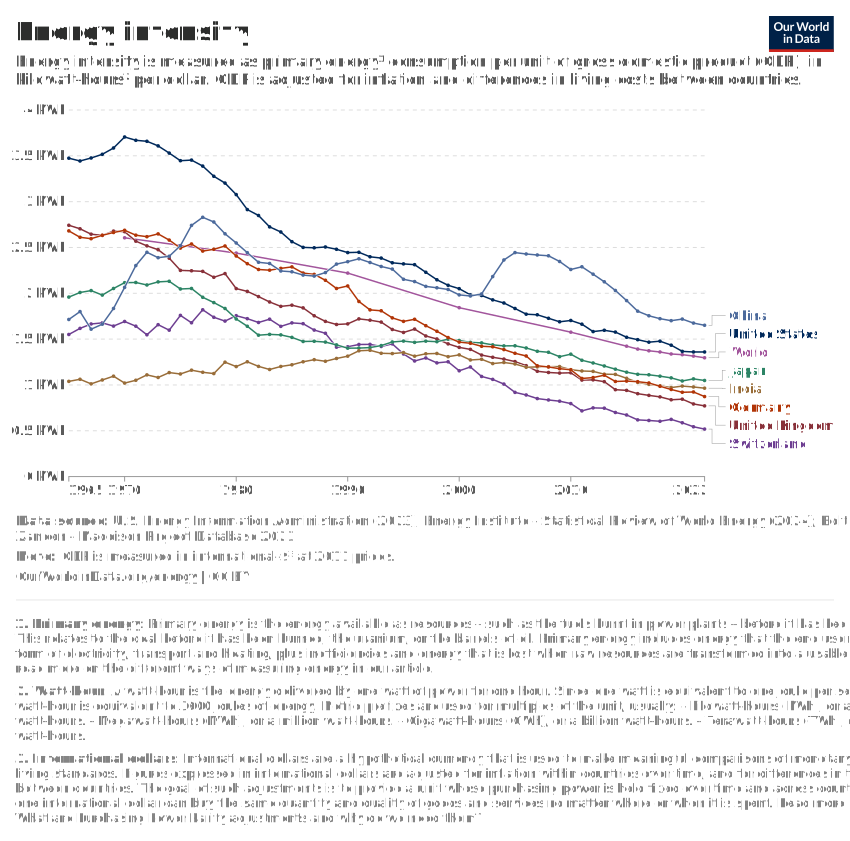
Energy intensity
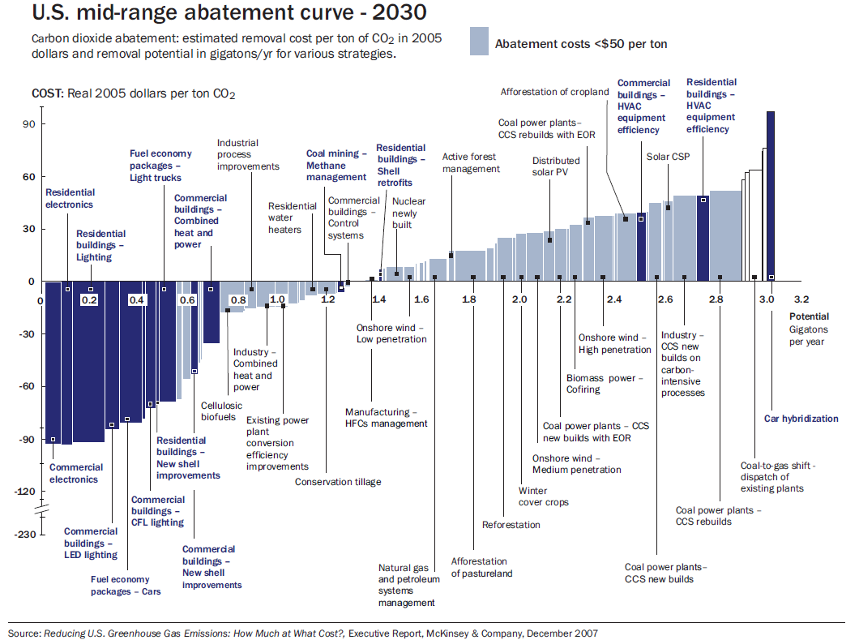
Abatement cost curve
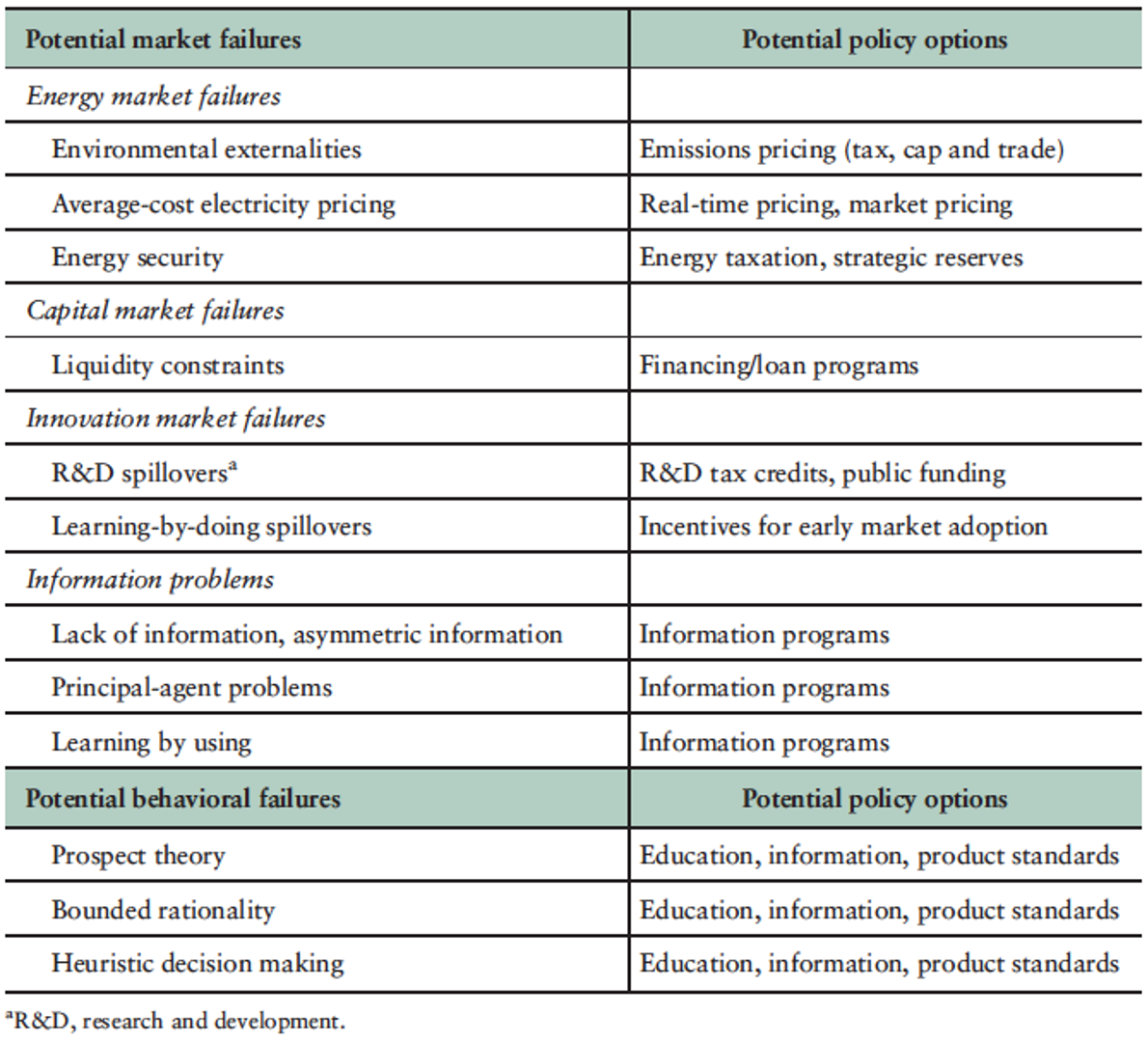
Energy efficiency gap
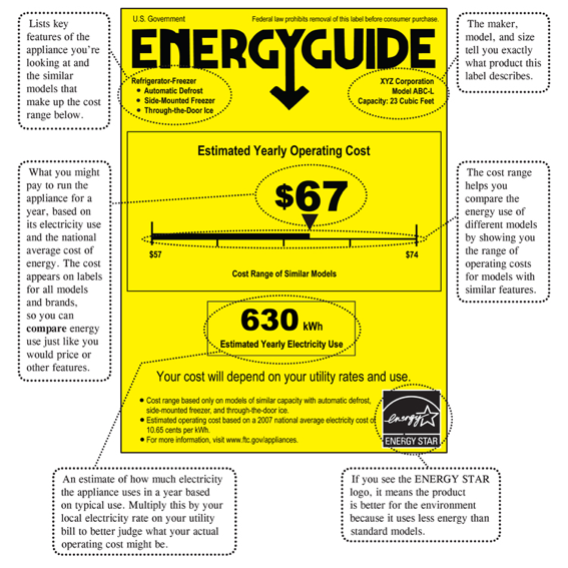
Information
Opportunities for energy efficient behavior change
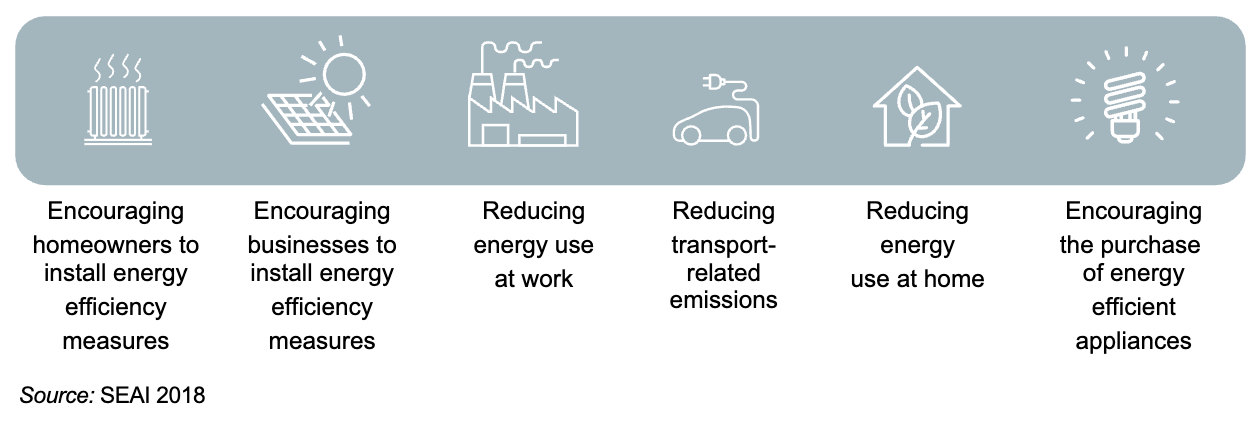
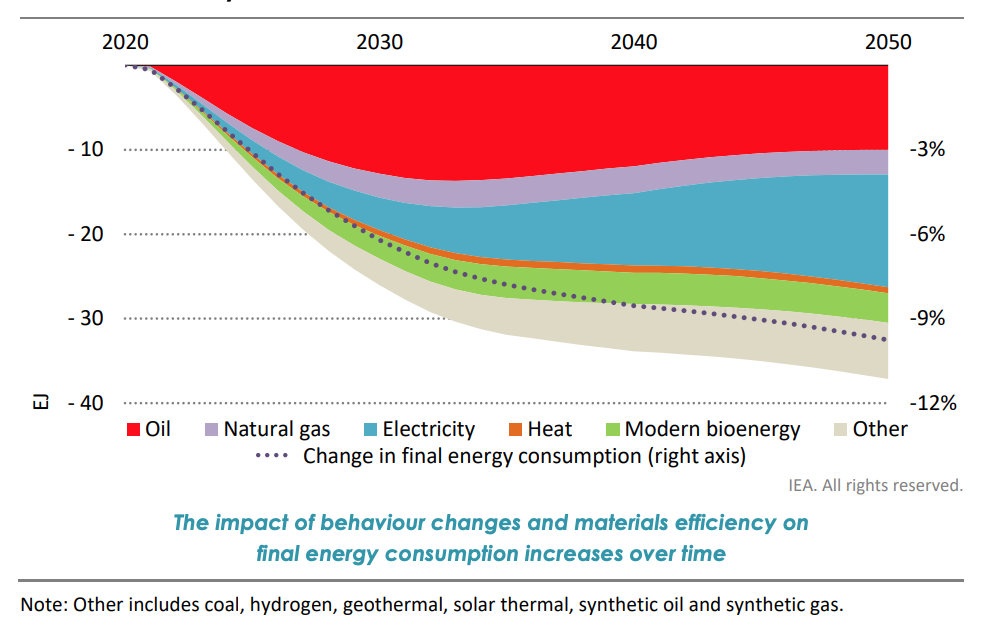
Behavior change in NZE
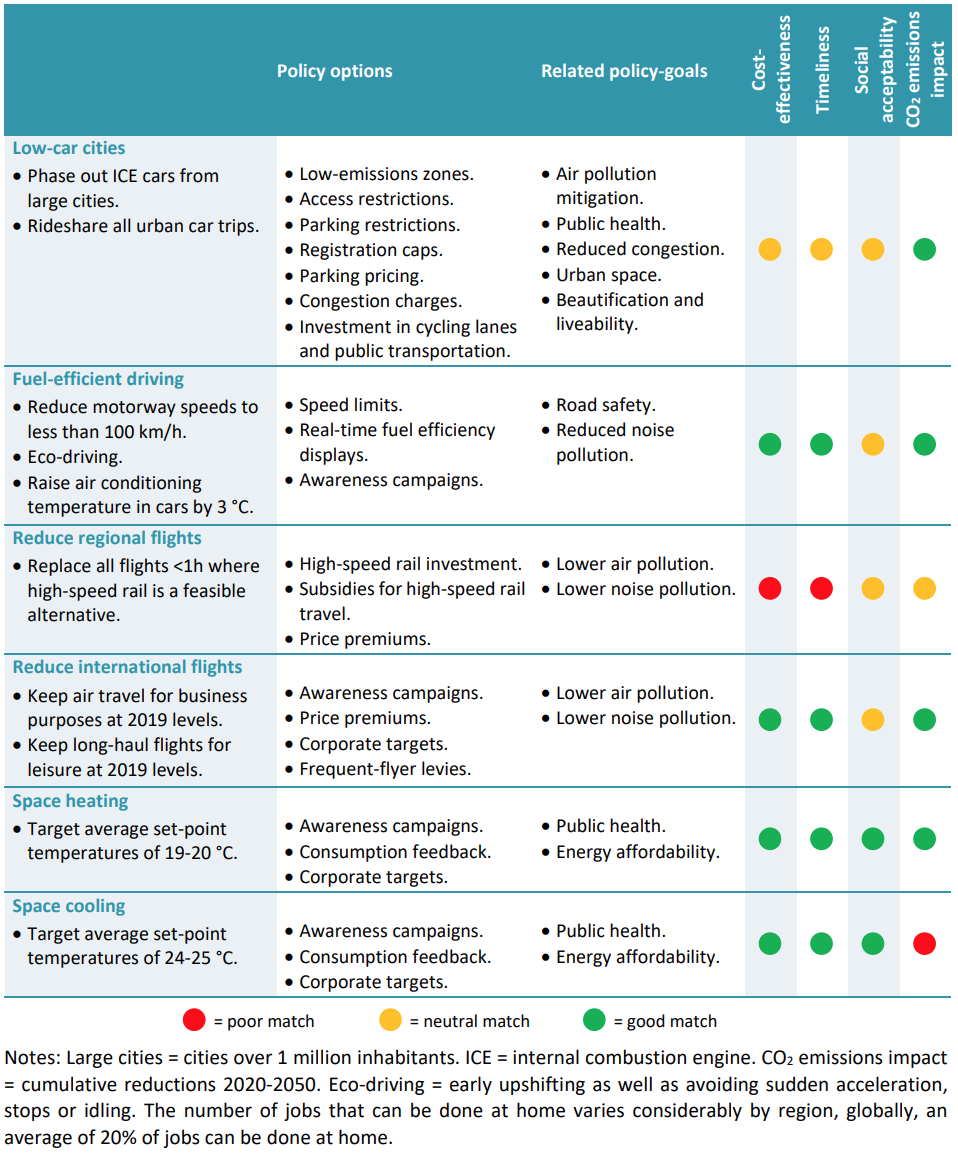
Key behavior change for NZE
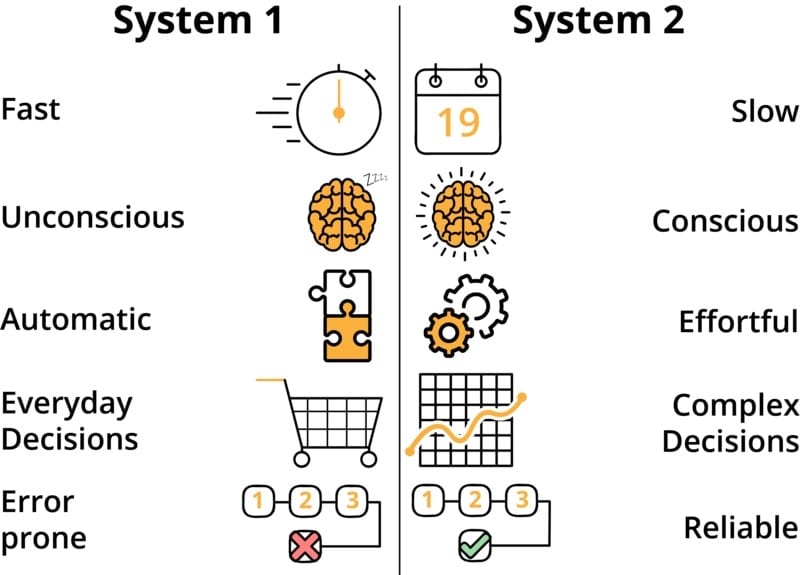
Complexity of human behavior
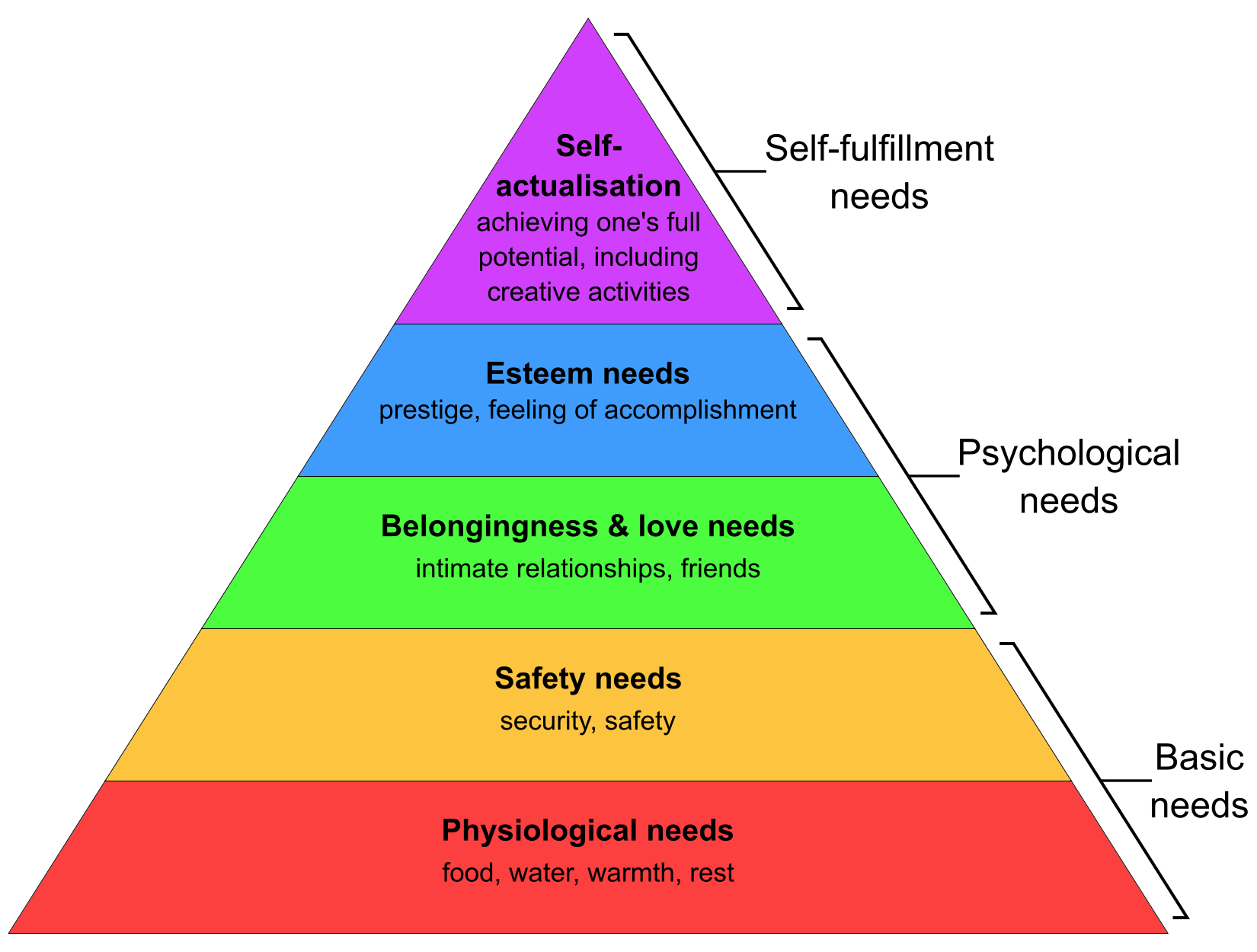
Maslow’s hierarchy of needs
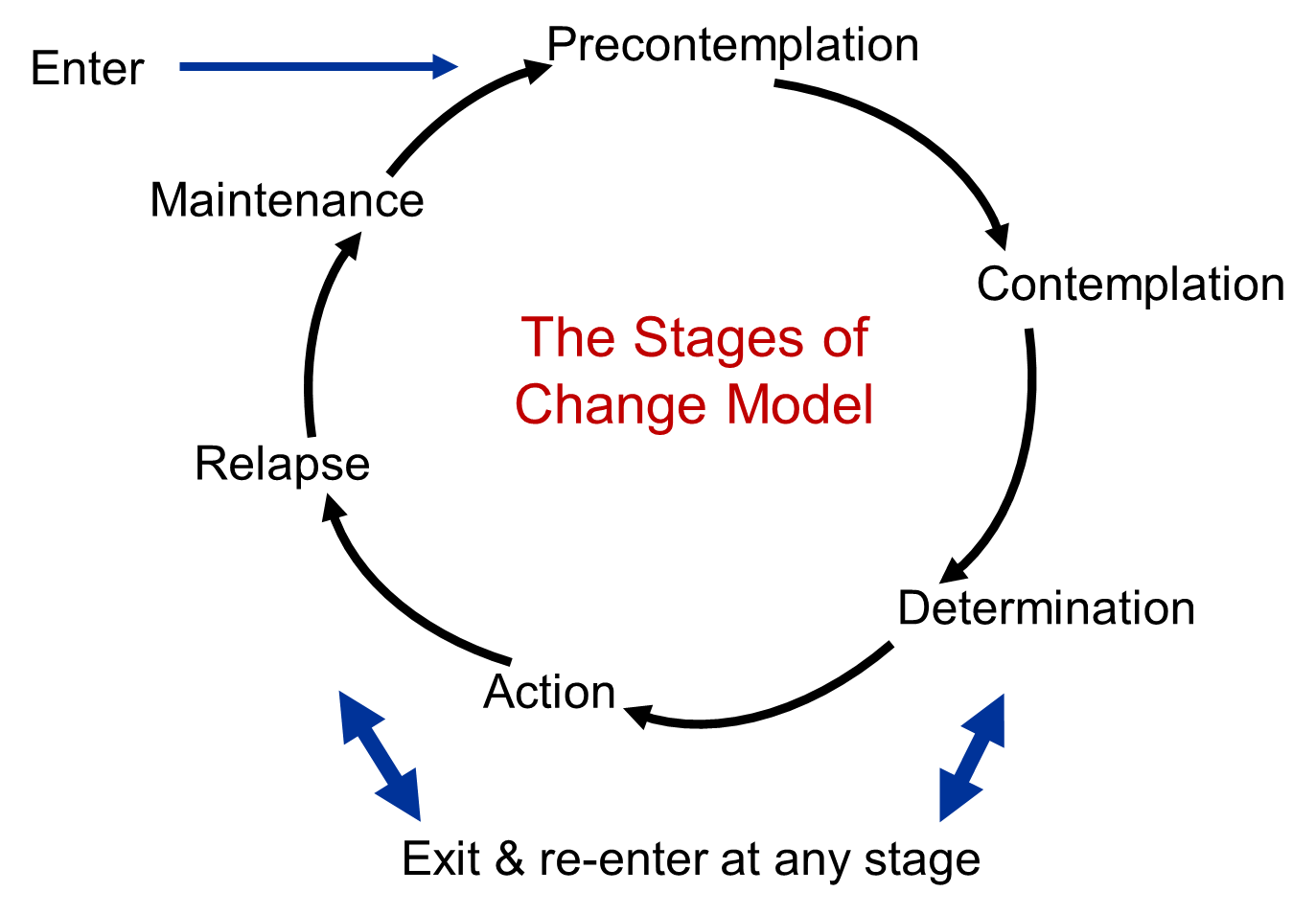
Stage of change theory
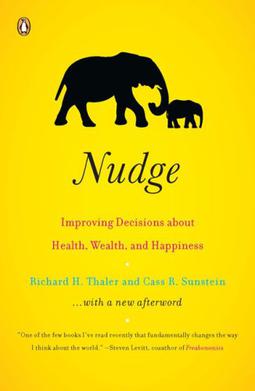
Nudge
- Incentives
- Understand mapping
- Defaults
- Give feedback
- Expect error
- Structure complex choices
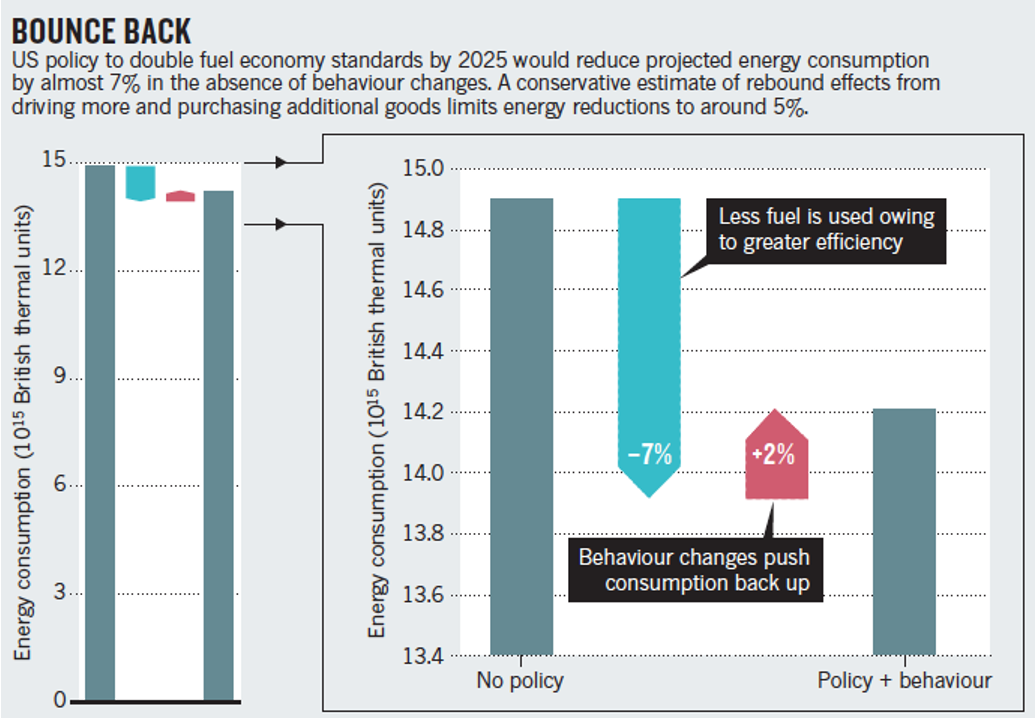
Rebound might be overplayed
Sustainable energy consumption
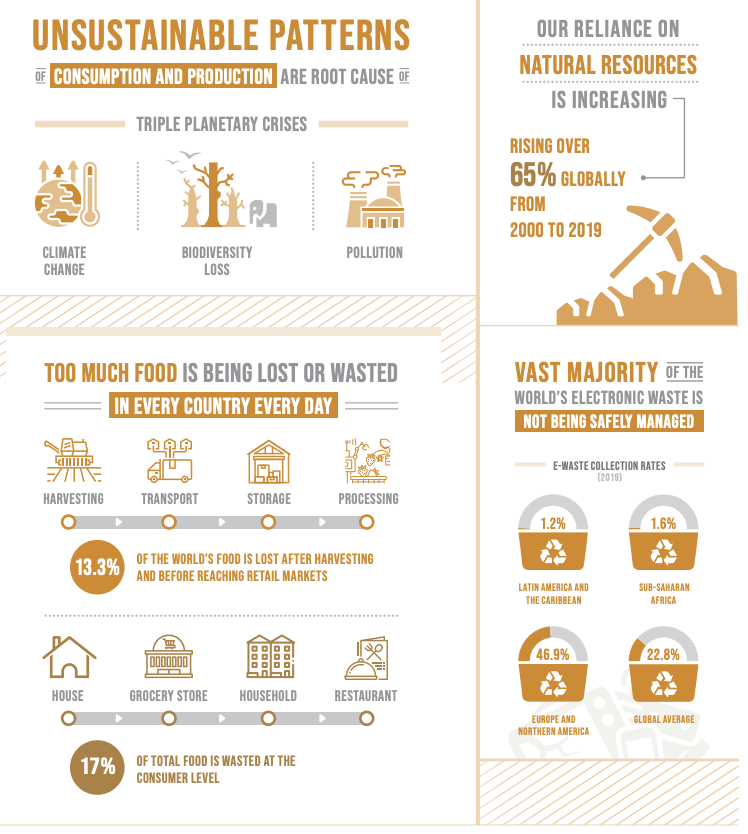
- Absolute reductions in the material goods and energy we consume;
- From material wealth and consumerism toward new measures of progress and well-being;
- Technological innovation and efficiency gains that help us to refine production processes;
- Recognition that consumption will need to increase for those individuals and communities whose needs are not being met, and
- A transformation of our economy from continuous growth to within the limits of a finite planet.