Lecture 12 Policy Analysis Uncertainties, Review and Summary
December 1, 2025
Sample analytic questions
- How do I know if I should trust policy analysis results?
- What are the methods to address uncertainties?
- What are the emerging topics to improve modeling analysis?
- How to interpret modeling results to communicate effectively?
- Where to use model? How to build your analysis?
Projections went off
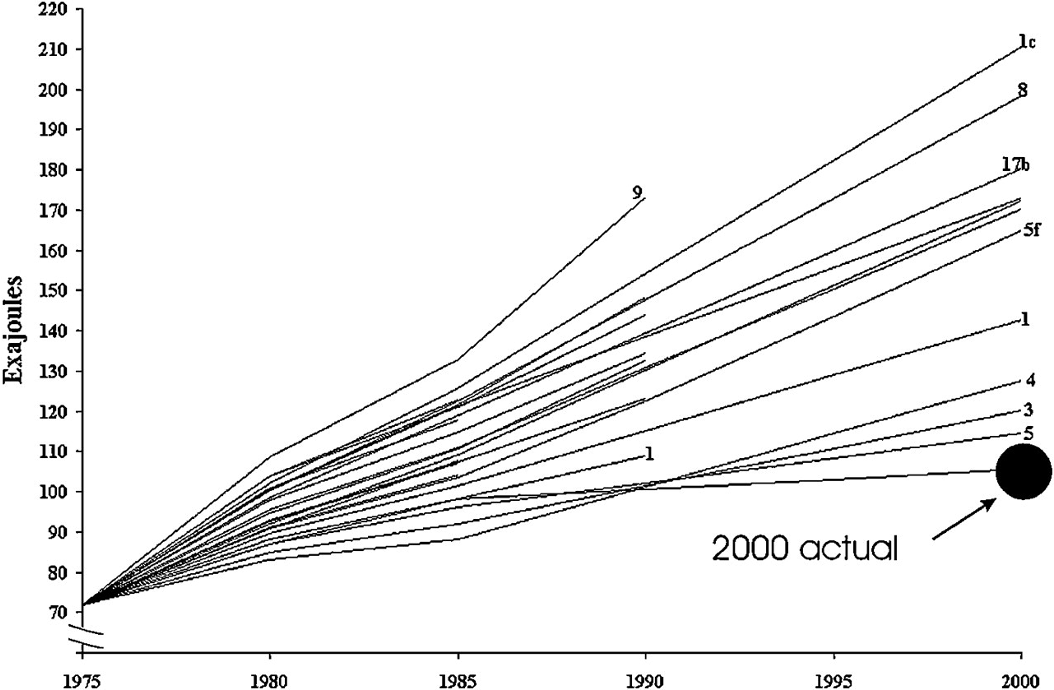
Source: Craig, Gadgil, and Koomey (2002)
IEA underestimates solar and wind
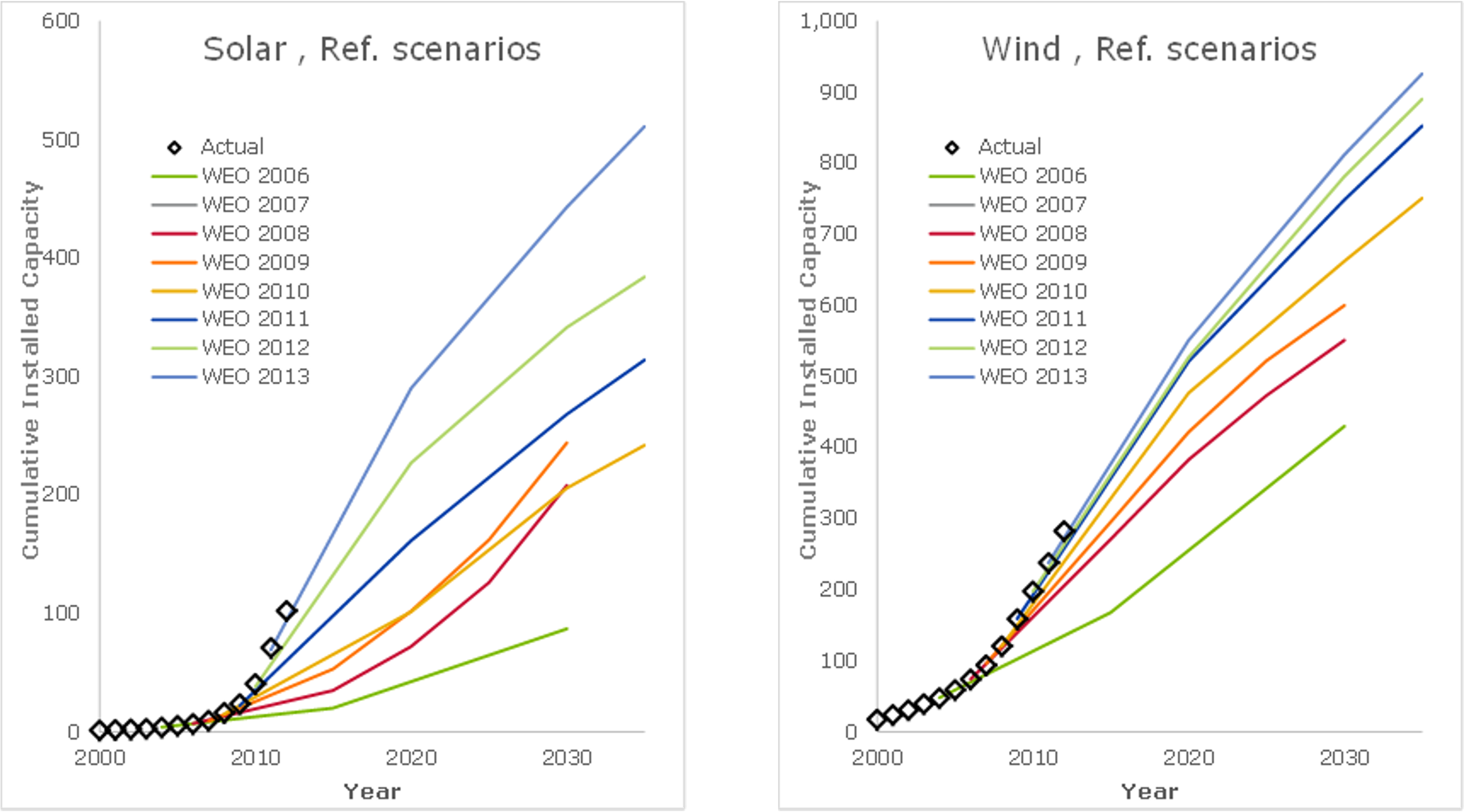
Source: Ecofys
Science models are in a better position
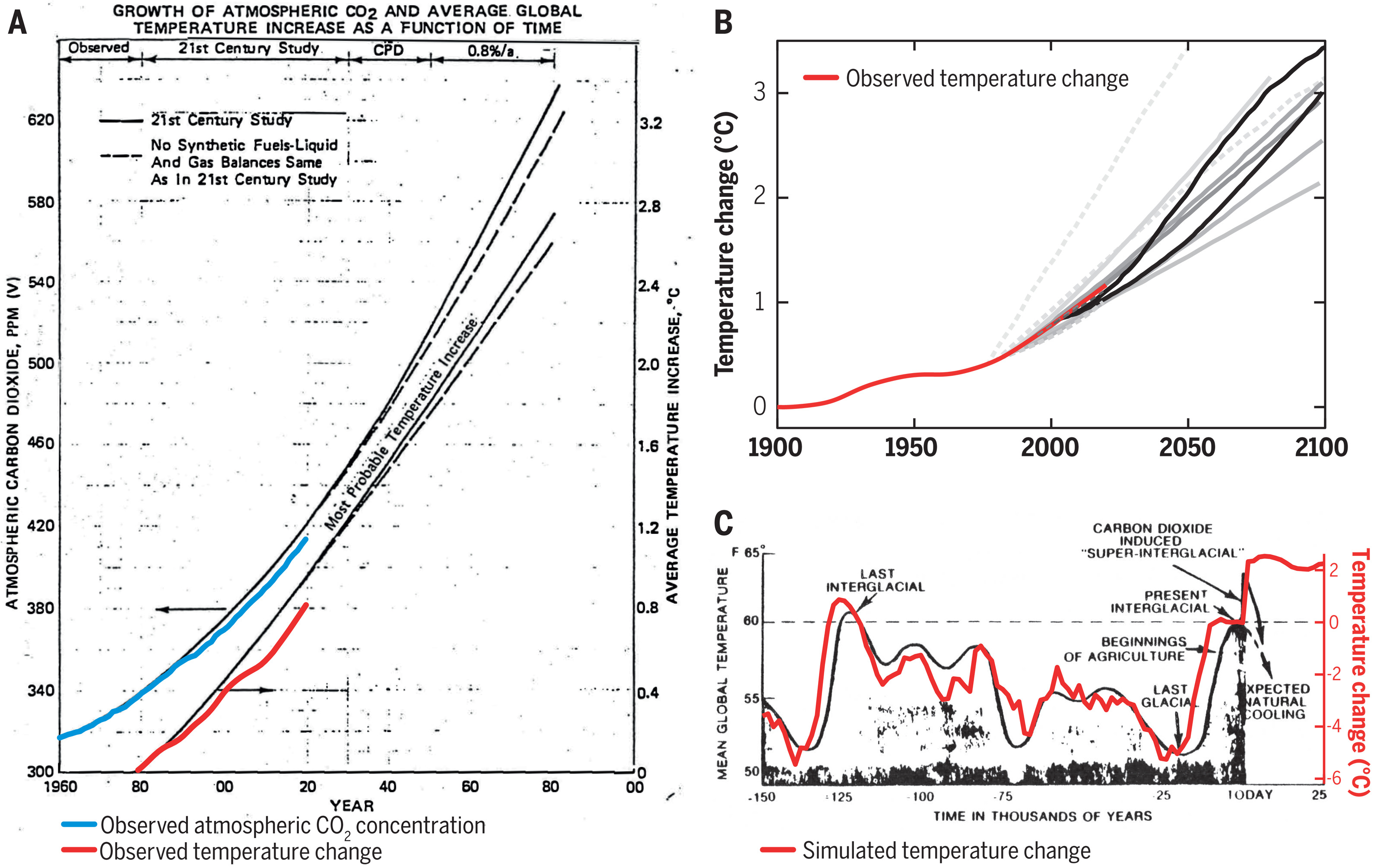
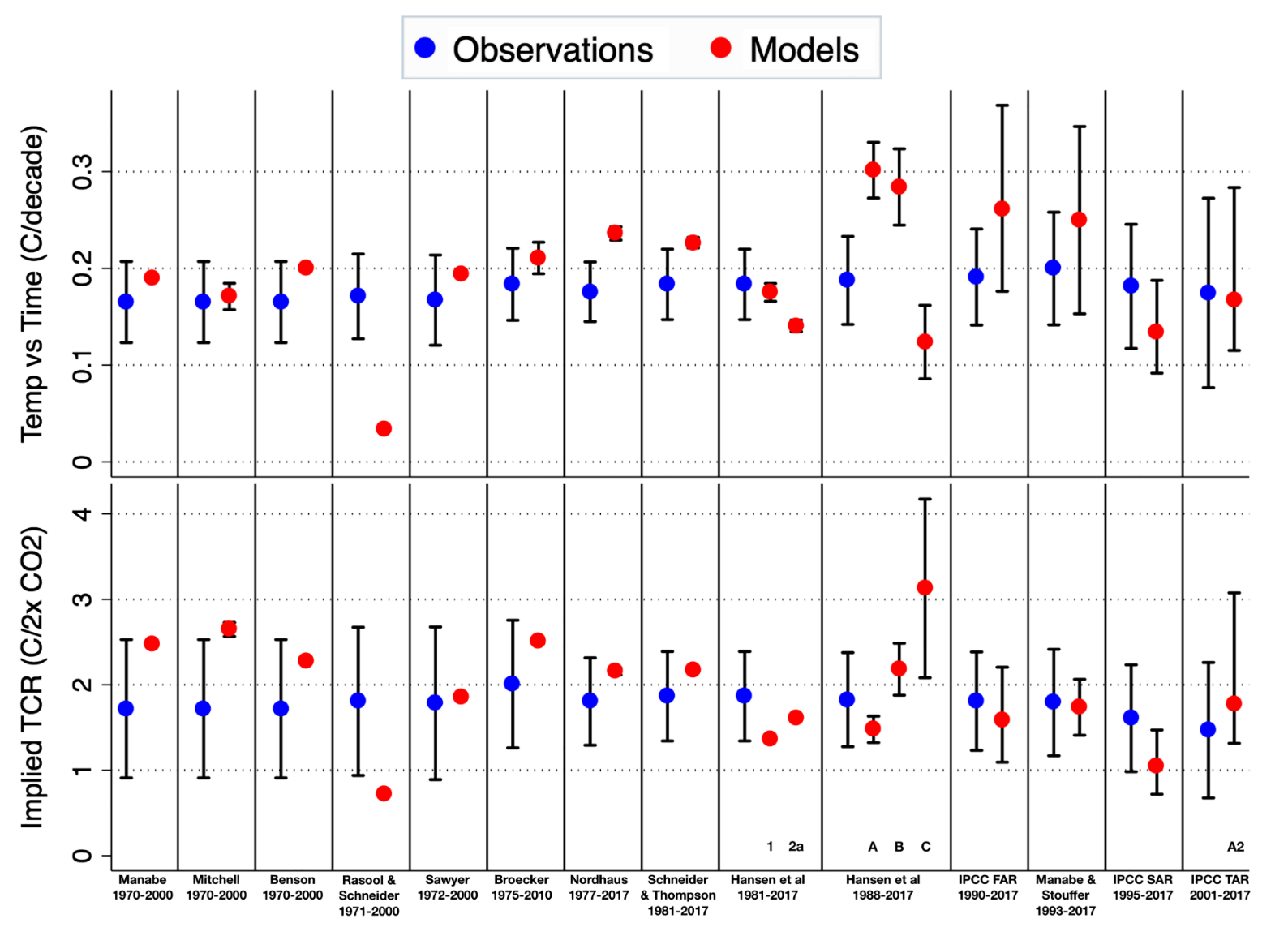
Read more: Inside Climate News, Supran, Rahmstorf, and Oreskes (2023), Hausfather et al. (2020)
Conditions for model robustness
Models can be accurate when they describe systems that
- are observable and measurable
- exhibit constancy of structure over time
- exhibit constancy across variations in conditions not specified in the model
- permit the collection of ample data
Read more: Hodges, Dewar, et al. (1992)
Changing landscape of new power generation capacities
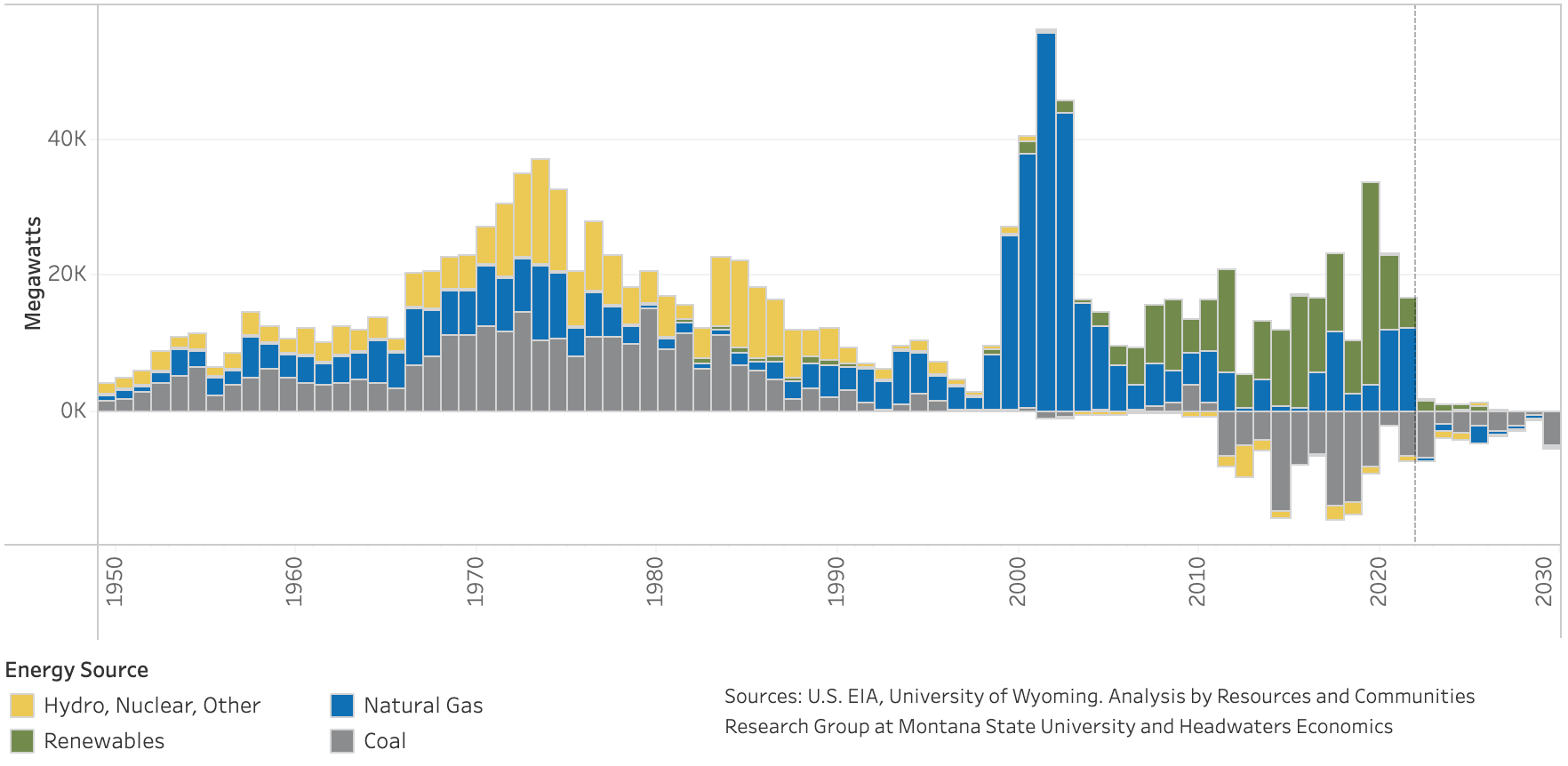
Source: Head Waters Economics
Renewable costs
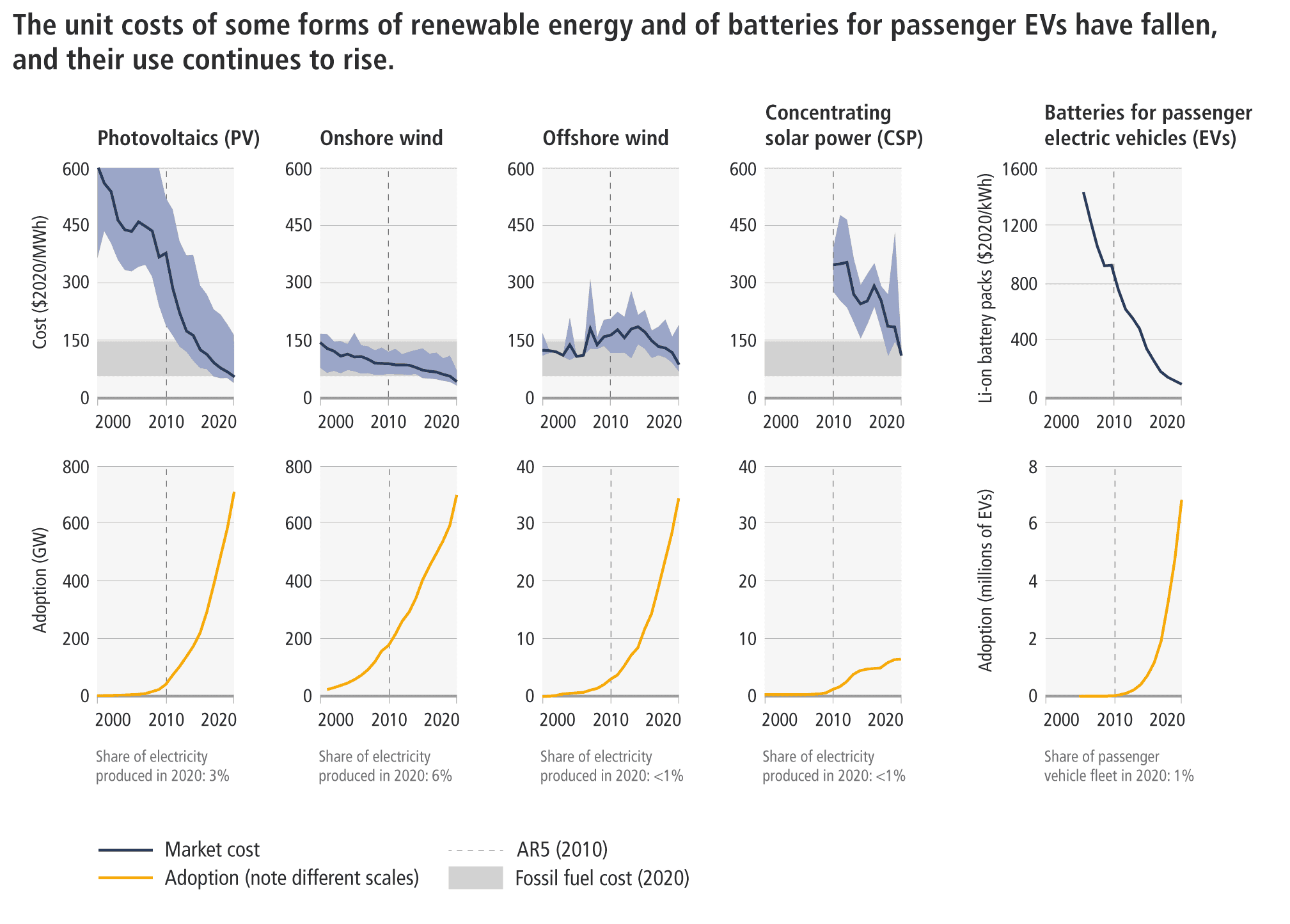
Source: IPCC
Mission impossible
- Predict the unpredictable
- Price the priceless
Better modeling uncertainties
- Define an endpoint of analysis
- List all uncertain parameters
- Specify maximum range of values
- Specify subjective probability distribution for values within the range
- Determin and account for correlations
- Probability distribution of model predictions
- Derive quantitative uncertainties
- Obtain additional data and repeat analysis if needed
Read more: IAEA
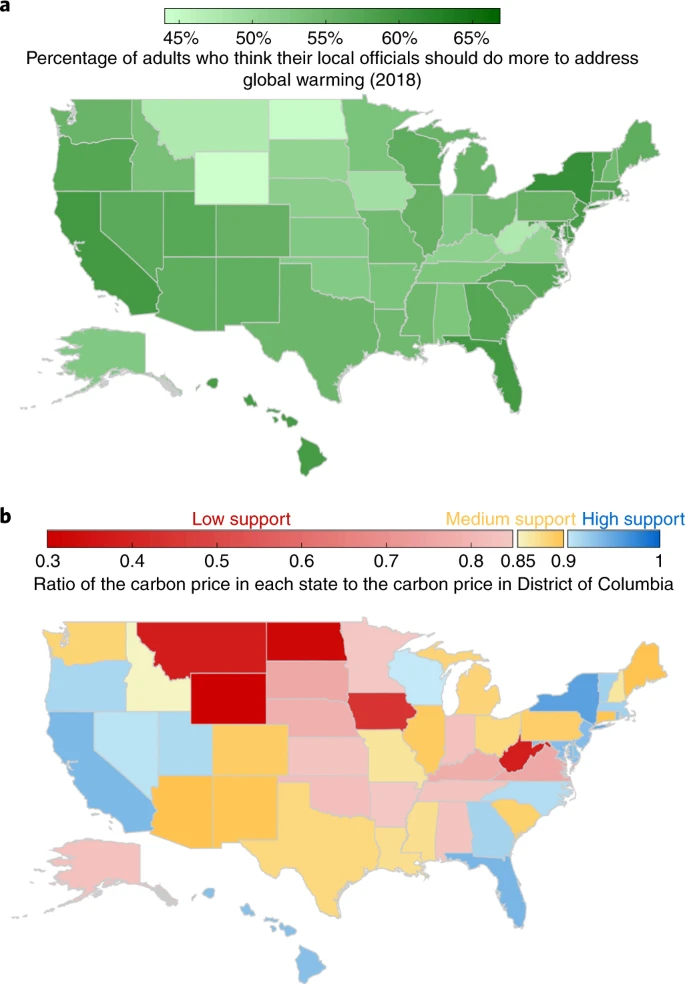
Incoporating political economy
Examples
- Risk averse investors
- Subsidies or taxes
- Carbon lock-in
- Unequal costs and benefits of climate polices accrue to different groups
- Public opinion
- Confidence in political institutions
- Trade and investments
- Competence of goverment
Why a model in the first place
- Description
- Explanation
- Experimentation
- Providing sources of analogy
- Communication/Education
- Providing focal objects or centerpiece for scientific dialogue
- Thought experiment
- Projection
Modeling for insights
- Modeling based on research questions
- Modeling elements, structure, relations
- Do not over-interpret
- Do not misinterpret
- “All models are wrong, but some are useful”. Avoid useless models.
Focusing on structures and relations
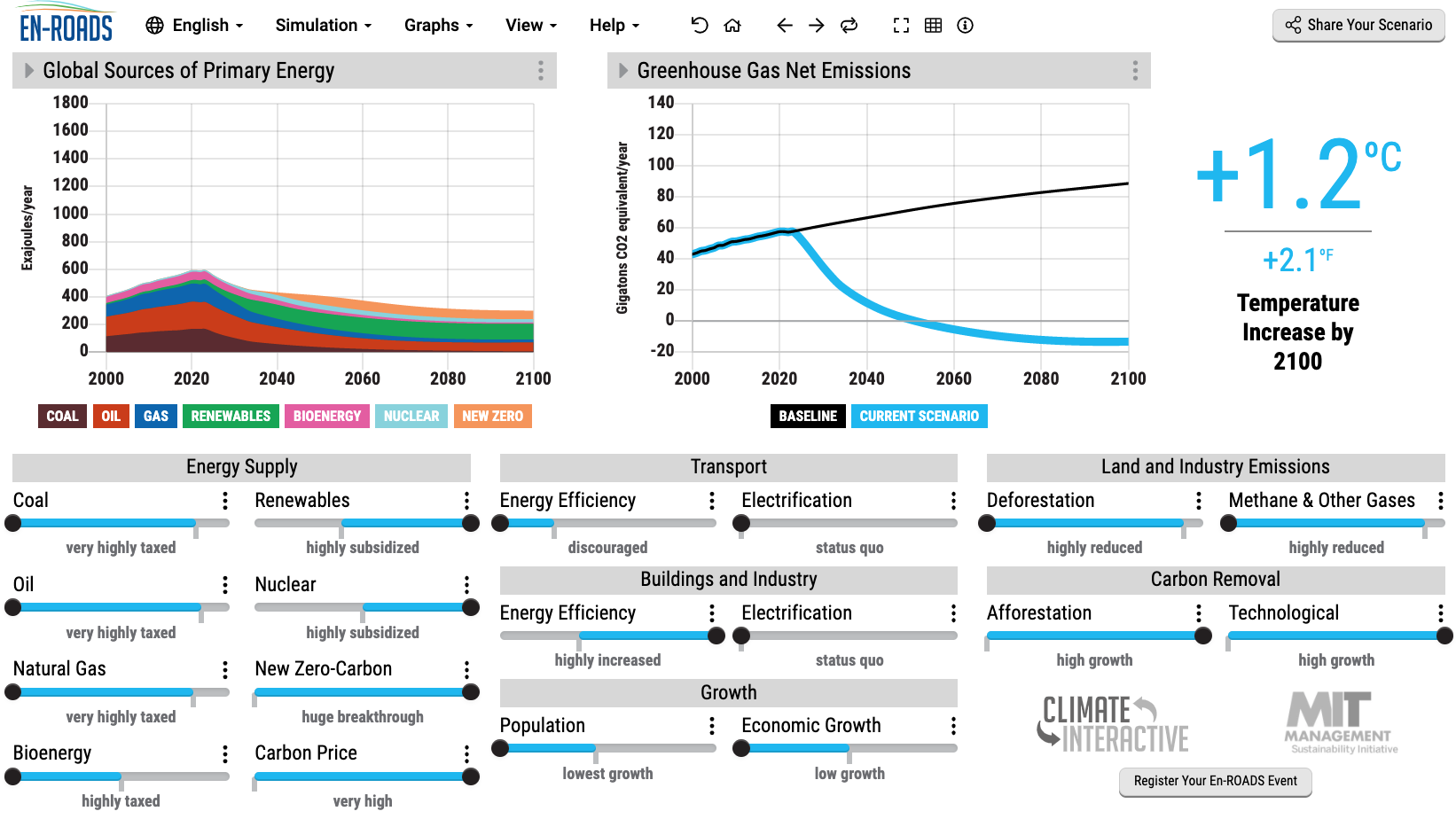
Source: Climate Interactive
Knowing limitations
- Known unknowns
- Unknown unknowns
- “Garbage in, garbage out”
Interpreting results
- Results are outcomes of assumptions and models
- Results does not automatically translate to policies
- Communicating the limitations and uncertainties
Open source
- Open model (code)
- Open data
- Open results
- Open validation
In Open we Trust!
Read more: Wikipedia
Ensure model for society
- Mind the assumptions
- Mind the hubris
- Mind the framing
- Mind the consequences
- Mind the unknowns
- Questions not answers
Read more: Saltelli et al. (2020)
Summary
- Know the limitation of models
- Use model appropriately
- Interpret/communicate the results effectively
- Models for social good
Review and summary
What have we talked and learned?
Energy grand challenges: net-zero
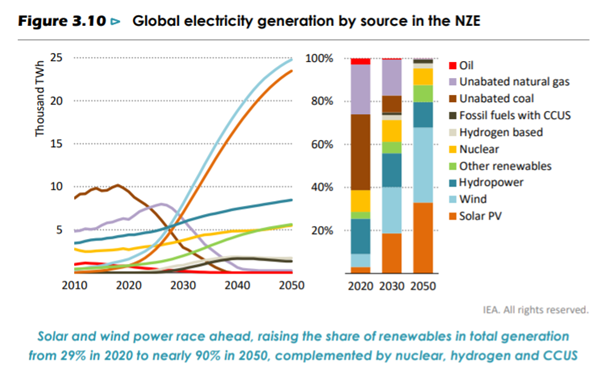
Source: IEA (2021)
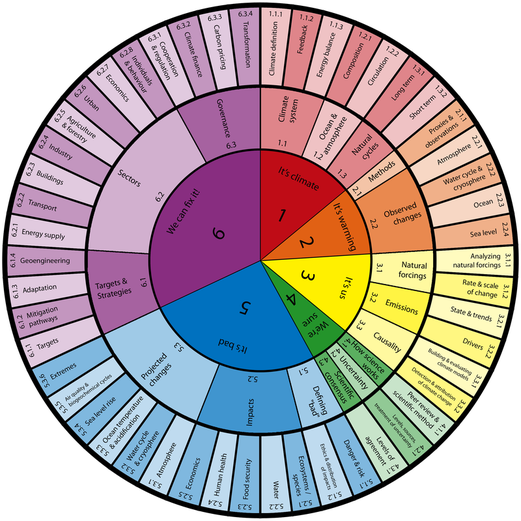
A five points “climate haiku”
- It’s warming
- It’s us
- We’re sure
- It’s bad
- We can fix it
Energy vs power
- Energy is the ability to do work. Energy is power integrated over time.
- Basic unit: joule = watt·second
- Power is the rate at which work is done, or energy is transmitted.
- Basic unit: watt = jourle/second
We need to know what we are talking about!
Common sources of energy and climate data
Energy:
- IEA (OECD)
- EIA
- UN
- WB
- BP Statistical Review of World Energy
Climate:
- NASA
- NCAR
- EUCCI
- UNEP
- NOAA
Carbon:
- CDIAC (Carbon Dioxide Information Analysis Center)
- EDGAR (emissions database for global atmospheric research system)
- Carbon Budget Project
- Carbon Monitor
Source: Macknick (2011)
Human component is the major driver of warming
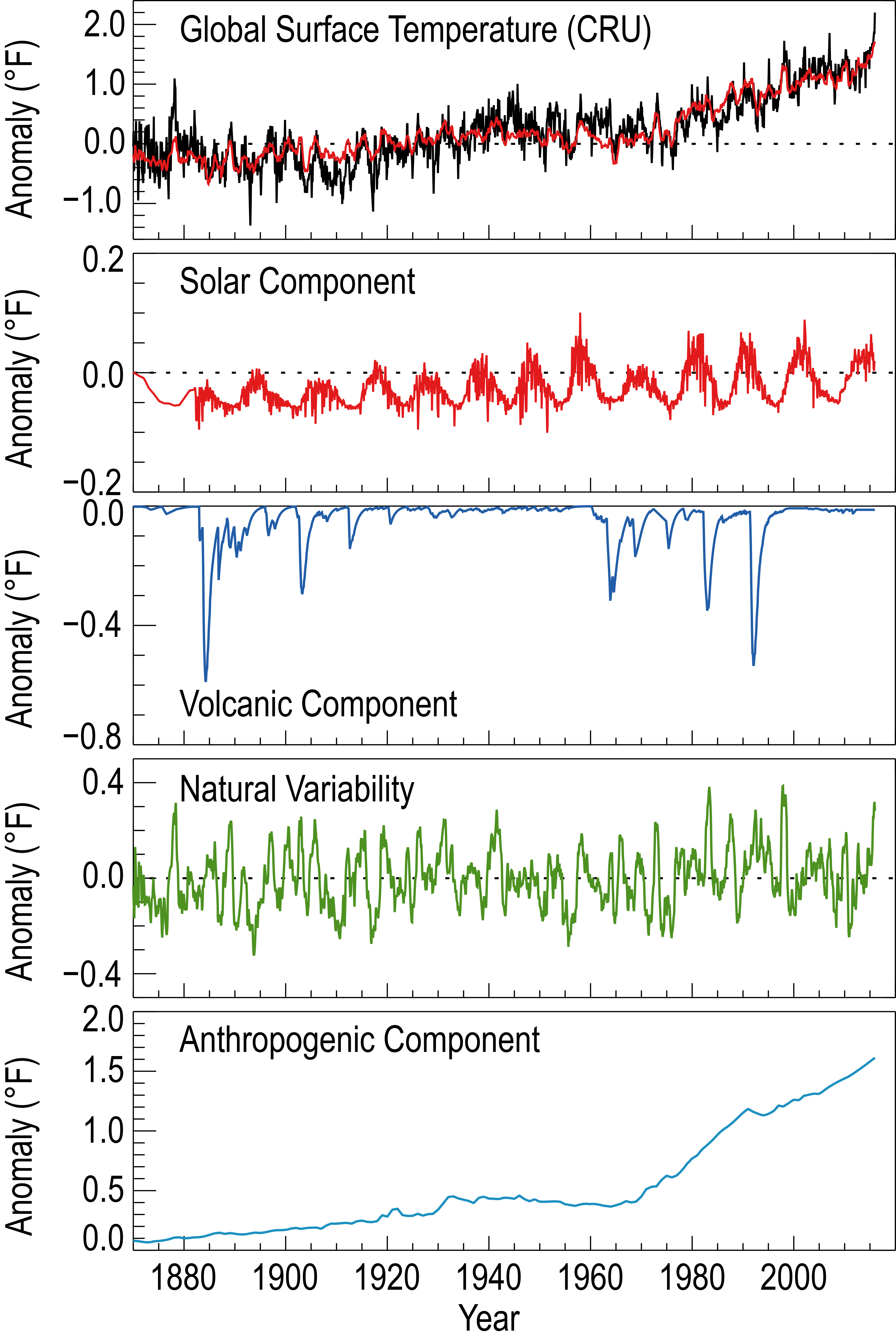
Source: Chapter 3 of the Fourth National Climate Assessment (NCA4)
Social cost of carbon
- Marginal cost of carbon
- Cost included:
- Net agricultural productivity
- Human health
- Property damage
- Energy system costs
- Net agricultural productivity
- Cost not included:
- Unknown impact: physical, ecological, economic
- Unknown cost: information
- Unknown impact: physical, ecological, economic
Kaya identify
\(F=P \times \frac{G}{P} \times \frac{E}{G} \times \frac{F}{E}\)
Where:
- F: global CO2 emissions from human sources
- P: global population
- G: world GDP
- E: global energy consumption
And:
- G/P: GDP per capita
- E/G: energy intensity of the GDP
- F/E: emission intensity of energy
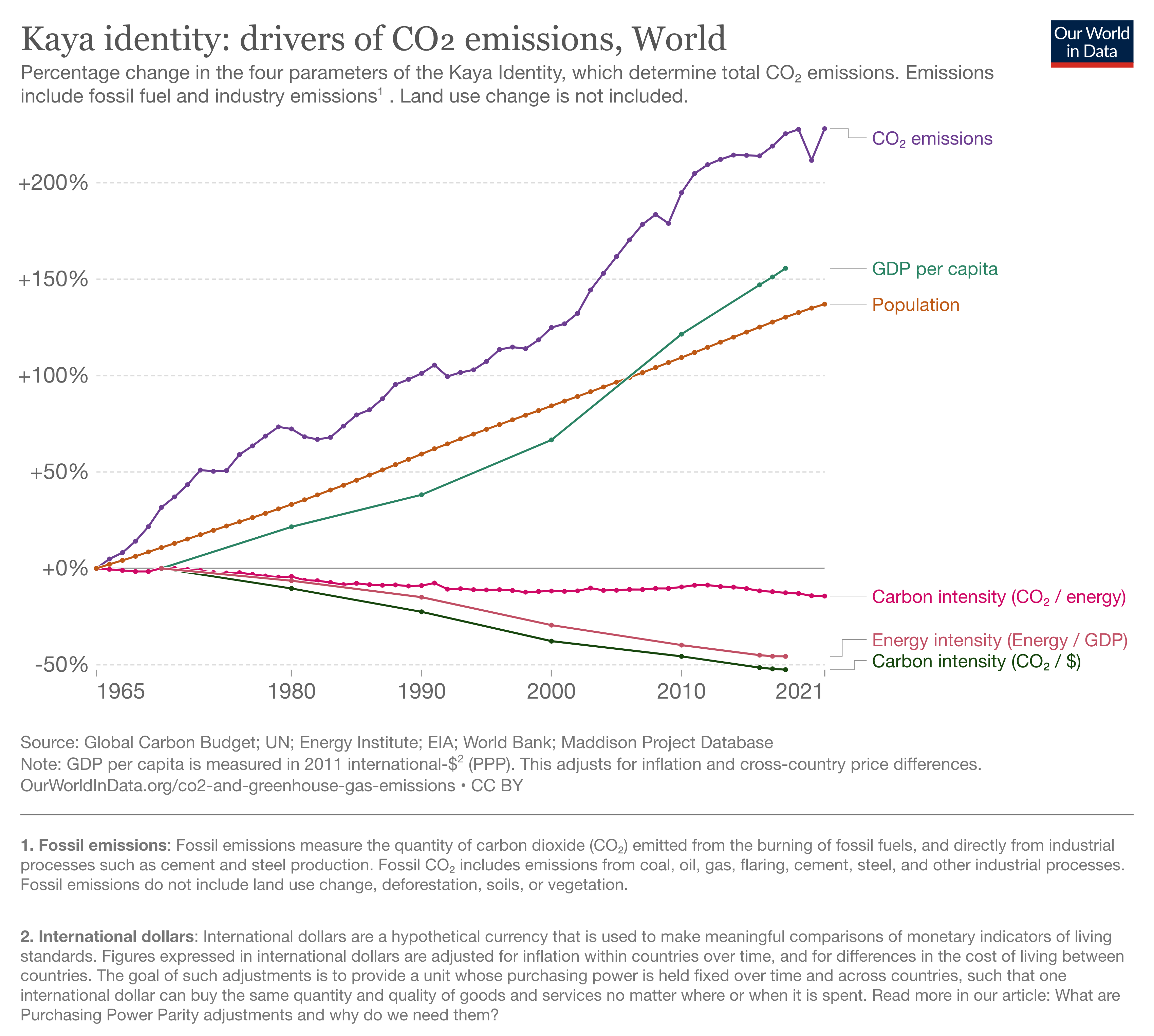
Source: Kaya and Yokobori (1997), Kaya Identity: drivers of CO₂ emissions in the World
Risks and resilience
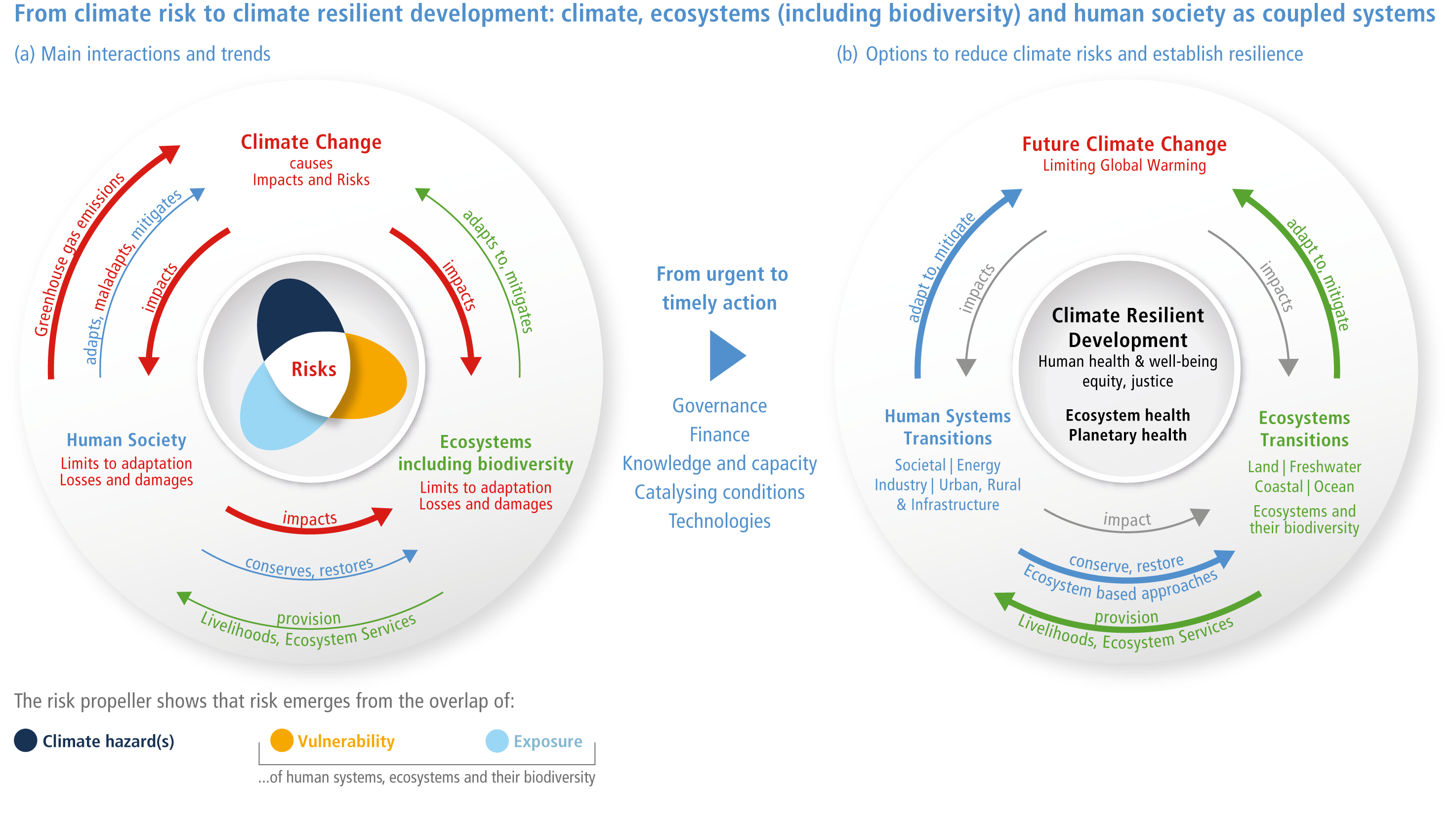
Source: IPCC, WG2
Energy systems
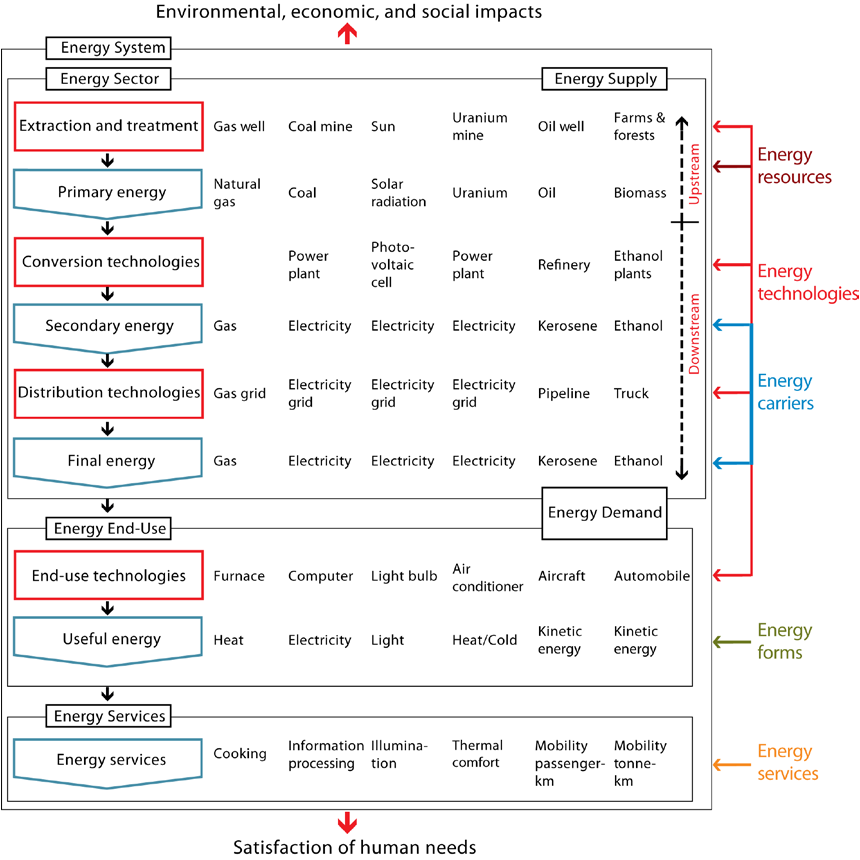
Source: IIASA, Energy Primer
Energy project economics
NPV, discounting, LCOE, learning rate
Project economics is useful for basic cost-benefit analysis
Getting the price (discounting) right
Understanding technology dynamics will help to model future projections
Aware of the limitations
Thermodynamics
- Thermodynamic efficiency
- Comparing different technologies
- Thermodynamics provides physic limits
Brayton cycle vs. Rankine cycle
| Brayton Cycle | Rankine Cycle |
|---|---|
| Jet, Gas turbine | Steam turbine |
| Open | Open/closed circuits |
| Working fluid in gaseous phase | Working fluid phase change |
Read more: Wikipedia Brayton cycle and Rankine cycle
Defining a Rosenfeld Plant
- 500 MW
- c.f.: 70%
- T&D losss: 7%
Results:
3 TWh/year
3 MtCO2/year
NYC electricity use: ~4 TWh/year
Source: Koomey et al. (2010)
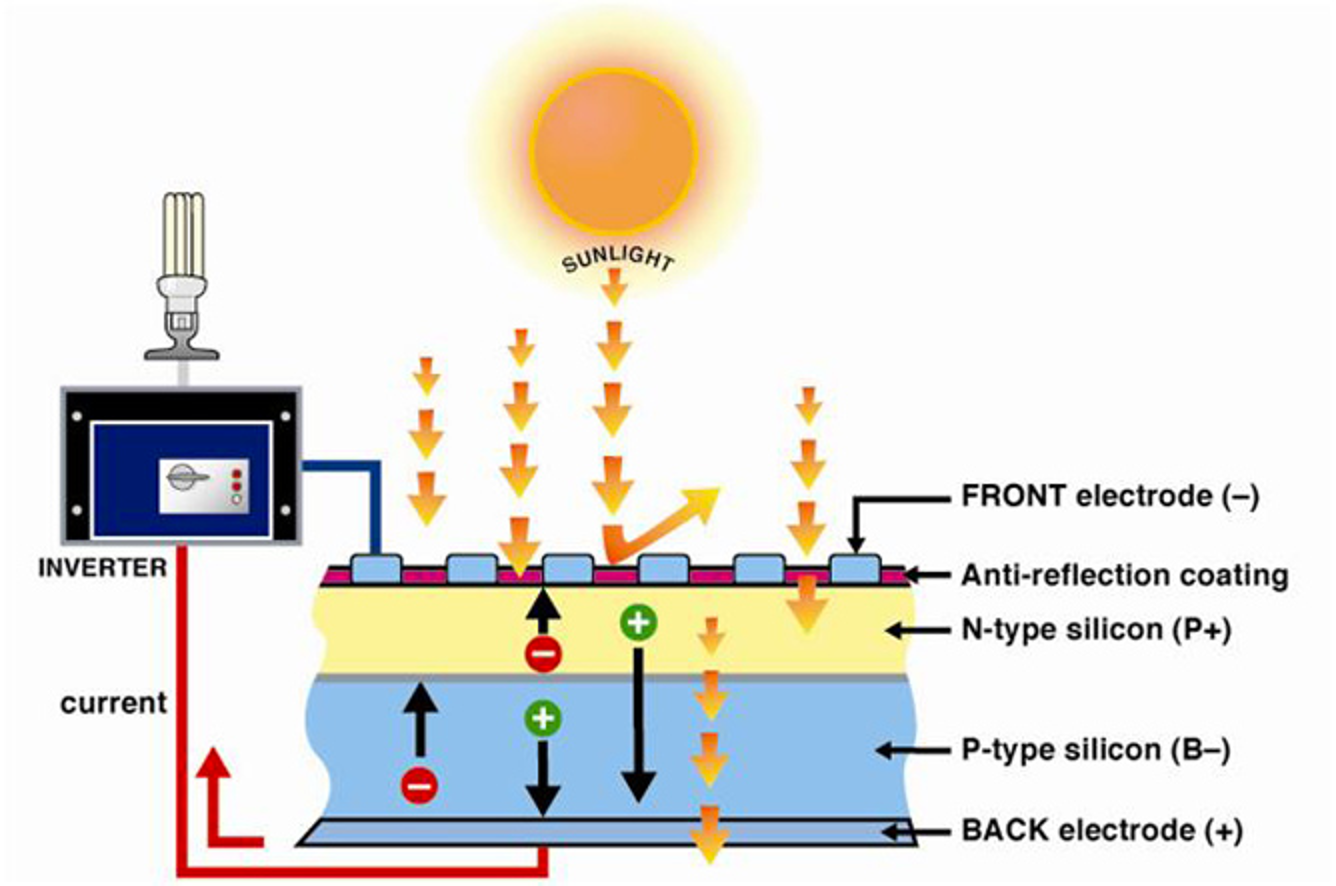
P-N Junction
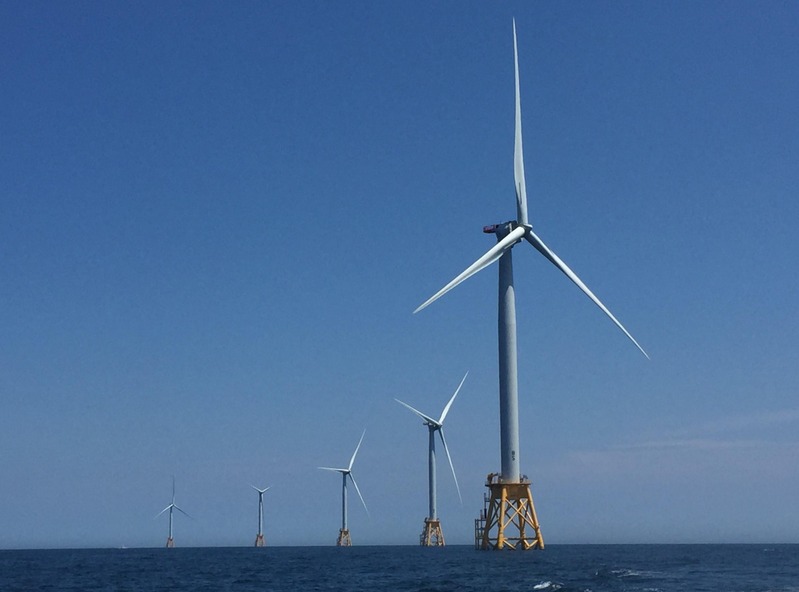
Wind
\(P=\frac{1}{2}\rho \pi r^2 v^3\)
Where,
\(\rho\) = Air Density (\(kg/m^3\))
\(A\) = Swept Area (m2) = \(\pi r^2\)
\(v\) = Wind Speed (m/s)
\(P\) = Power (W)
Photo by Gang He, Block Island Offshore Wind Farm
Nuclear
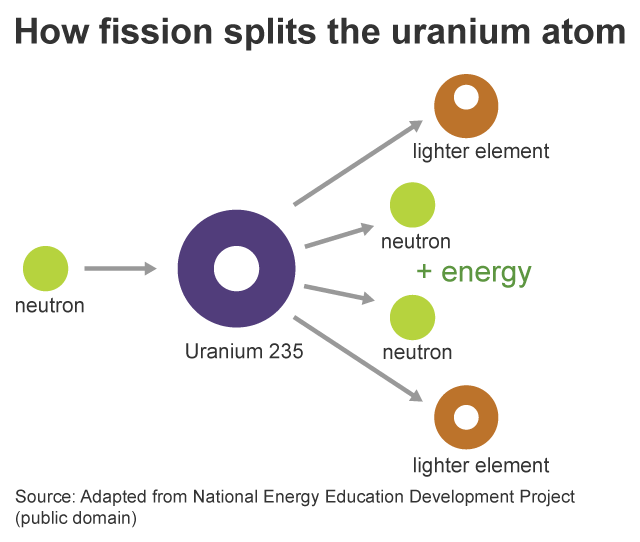
Nuclear fission
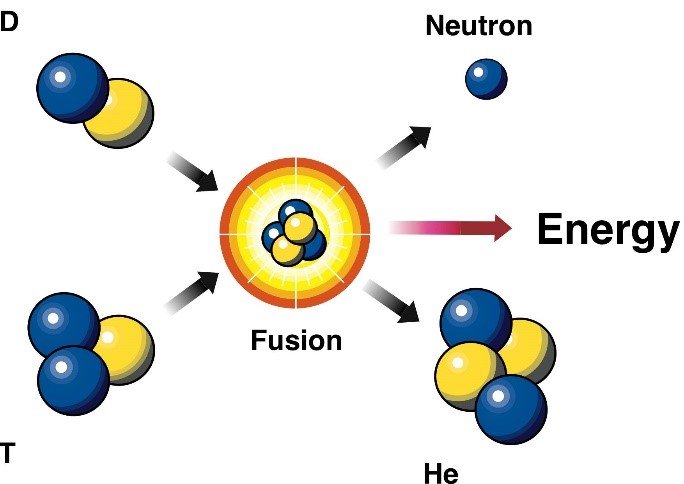
Nuclear fussion
Read more: EIA, Nuclear explained; DOE, Nuclear fusion reactions
Hydro
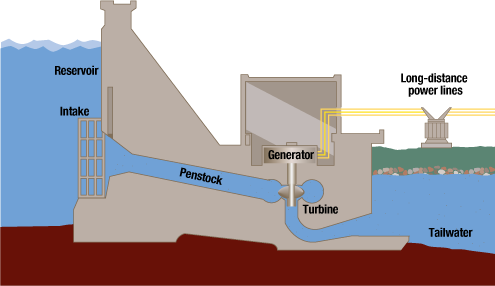
Hydropower
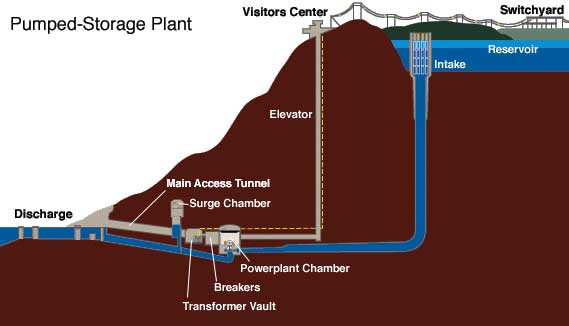
Pumped storage hydropower (PSH)
Source: TVA
Energy demand
- Energy demand is shaped by dynamic factors: populations, GDP, technology, regulation, and human behavior
- Understanding those drivers will help us learn the magnitude and profile of our demand
- Load forecast integrates all insights to the show
Energy efficiency
- There are barriers for energy efficiency and inforamtion and standards can help address the energy efficiency gap
- Human behavior is complicated, and understanding it will help us to design policy
- Rebound is real but might be overplayed, rebound could be good if improve welfare
- Sustainable consumption and production within the limit
Energy access and energy justice
- Electricity/energy access is fundamental to other modern services: education, health, and information
- Energy access also has gender equity, health cobenefits, and other implications
- Energy justice is important to achieve just transition
- An reflection on our approaches to energy justice
Energy, environment, and human health
- Environmental and health impacts are the externalities of energy systems
- Energy-air-pollution-human health framework of analysis
- Energy-water-carbon nexus
- System impacts show the constraint in systems modeling
Energy transition
- Diverse factors that drive energy transition
- Common and differentiated solutions to energy
- Leverage the advantages
- Addressing uncertainties: geopolitics, wars, pandemic, and more
Power sector decarbonization
- Power sector’s central role in decarbonization
- Capacity expansion model to analyze the optimized investment decisions
- Decisions in the real world is much more complicated
- Emerging trends in the power sector
Big data and AI
- AI and big data has transformed how we live, and how can we save the planet
- AI does not automatic add new insights, but it provides powerful tools to analyze increasingly available big data
- Learning those new tools and skills becomes necessary to work in the field
- The potential of using AI/big data to analyze our understanding of energy supply/demand and human behavior is enomorous.
Uncertainies and limitation
- Know the limitation of models
- Use model appropriately
- Interpret/communicate the results effectively
- Models for social good
Social economic structural changes
Read more: Turning Numbers into Knowledge